


Meet the Caecilian, the Weird Amphibian Now Established in Florida
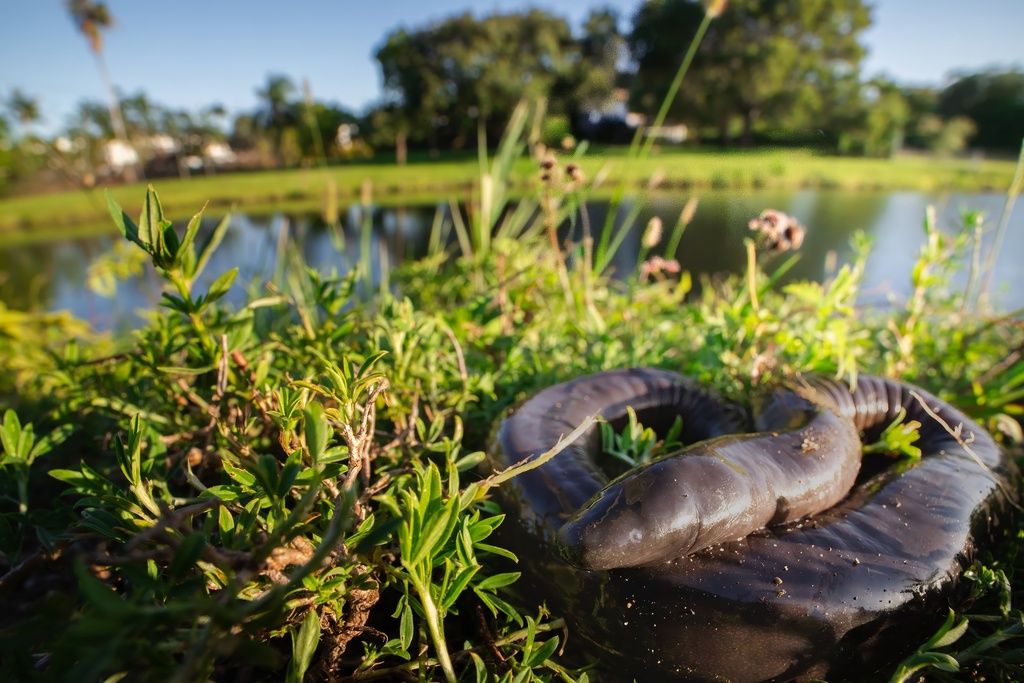
A legless amphibian native to South America has established a thriving population in Miami canals, surprising herpetologists and anglers alike. The Rio Cauca caecilian, rarely studied in its native range, was first documented in Florida waters in 2019. Scientists are now racing to understand how the species arrived and what ecological impact it may have on Florida's already complex ecosystem.
Key points
- The Rio Cauca caecilian is a poorly understood tropical amphibian now found in Florida. Native to river basins in Venezuela and Colombia, this limbless creature is one of over 200 caecilian species found globally, yet "they are by far the least-understood and least-studied amphibians," according to Coleman Sheehy of the Florida Museum of Natural History.
- Caecilians possess unique physical features including a sensory tentacle between eye and nostril. The slimy, rope-like amphibians are limbless with limited eyesight and are among the three taxonomic orders of living amphibians, alongside frogs and salamanders.
- A single research trap yielded 48 caecilians from a Miami canal in surprising numbers. Scientists initially searched shallow waters where amphibians typically surface for air, but discovered the population thriving in deep canal sections when baited traps were relocated.
- The exact pathway for caecilian introduction to Florida remains unknown but likely involves pet trade release. "Caecilians were never a common pet," Sheehy notes, yet the species may have arrived through escaped or intentionally released captive animals.
- Rio Cauca caecilians appear to feed primarily on dead fish and vertebrate carrion. Research suggests they do not actively hunt live fish, instead consuming already-deceased aquatic animals found on canal bottoms.
- The ecological consequences of the established caecilian population remain largely unanswered. Scientists cannot yet determine whether the species competes with native amphibians, preys on native species, or serves as food for predators in Florida's ecosystem.
Summarized by MalakyeAI