


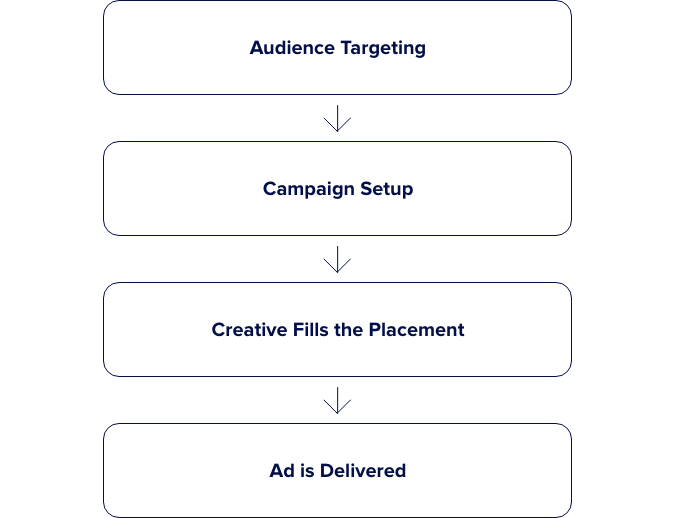
Meta's AI-powered ad retrieval system, Andromeda, is fundamentally changing how CPG brands must approach creative strategy. Rather than targeting audiences first and then creating ads, the system now uses creative itself—imagery, language, and messaging—as a signal to identify interested consumers. This structural shift requires brands to rethink their entire creative production model.
Key points
- Andromeda interprets creative to determine audience relevance, not just deliver messages. The system evaluates imagery, product, language, hook, and format to help Meta find interested consumers, making creative "part of the targeting system."
- Only about 5% of ads become meaningful winners according to Motion's 2026 Creative Benchmarks study. Analyzing 578,750 creatives across $1.3 billion in spend, the research found hit rates ranged from 3.8% for lower-spend accounts to 8.2% for brands spending over $1 million monthly.
- Strategic variation must change underlying consumer problems, not just cosmetic elements. A snack brand should create concepts around different occasions—afternoon energy, post-workout, convenience—rather than simply varying background colors or headlines.
- Brands need continuous creative production, not traditional campaign-based models. "Andromeda rewards a more continuous model" where concepts are developed, launched, evaluated, and refreshed on an ongoing basis as performance data informs the next round.
- Generative AI can accelerate production but cannot replace strategic thinking. AI helps with visualization, localization, and resizing, but requires human direction on consumer insight, brand codes, and quality standards to produce "brand-ready content."
- Brand consistency becomes more critical as content volume increases. Packaging, visual identity, and tone should remain recognizable while hooks, occasions, and formats vary to maintain distinction amid rising generic content.
Summarized by MalakyeAI