


“Do Shoppers Want to Be Left Alone in Stores?” by Bob Phibbs via The Retail Doctor Blog
By Board Retailers Association
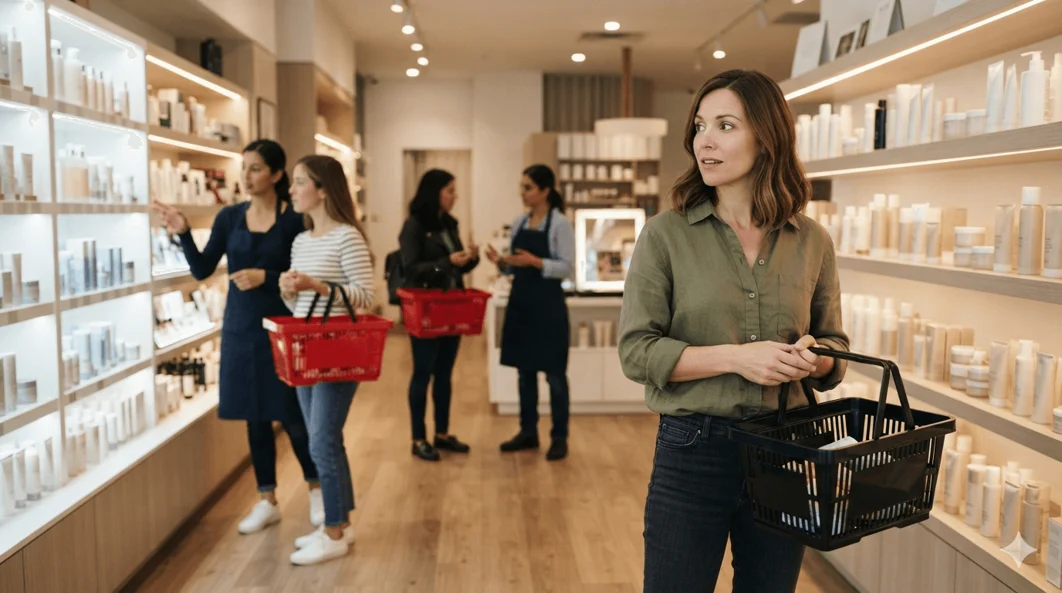
Retail consultant Bob Phibbs challenges the widely cited statistic that 95% of shoppers want to be left alone in stores, arguing the data has been misinterpreted. Recent surveys show shoppers actually welcome knowledgeable staff and exceptional service, but current associate training fails to deliver meaningful help. The real problem isn't customer preference for solitude—it's that associates lack the framework to build trust before attempting sales.
Key points
- Misinterpreted 2018 survey data has shaped flawed retail training practices. The HRC Retail Advisory finding showed shoppers preferred isolation from poor help, not help itself; a 2016 Mindtree study found shoppers assisted by associates spent 81% more per transaction.
- Recent 2025 KPMG survey reveals strong demand for knowledgeable retail staff. According to the data, "90% said they would go back to a store where they got exceptional service from knowledgeable staff," yet only two in five believe store employees can answer questions well.
- Associates stop approaching customers after repeated rejections from ineffective opening questions. When an associate asks "Can I help you find anything?" and hears "just looking," they interpret it as evidence customers want solitude, eventually ceasing all customer engagement.
- Successful retail service requires five sequential "gates" built on trust, not product knowledge. The framework begins with a greeting, moves to personal connection, then asks discovery questions before presenting features and benefits tied to customer needs.
- Leading with product or premature closing techniques fails because trust remains undeveloped. An associate who shows merchandise before understanding customer needs provides no meaningful follow-up once the item is in the shopper's hands.
- Associates must discover why customers chose brick-and-mortar over online shopping. Asking "Why aren't you buying this online?" during discovery yields information about what matters to shoppers rather than creating objections later in the sales process.
Summarized by MalakyeAI