


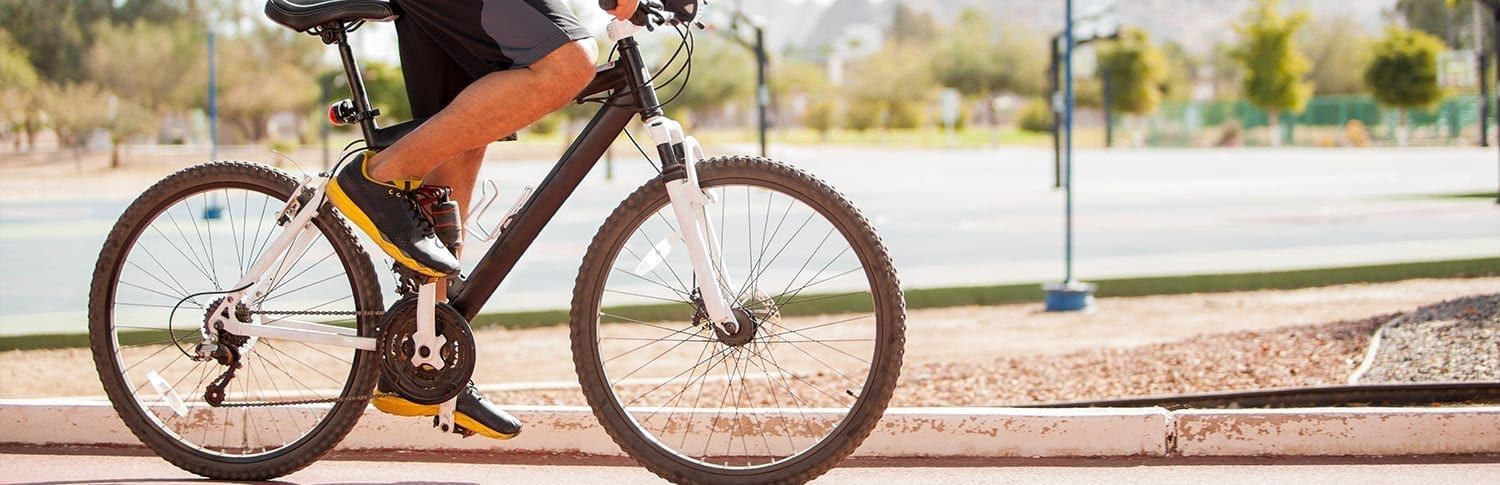
Chafing results from friction between skin surfaces or between skin and clothing, causing pain, irritation, and potential scarring. The condition worsens with heat, humidity, sweat, and pressure, ranging from mild rashes to severe blisters. Understanding chafing causes enables prevention through protective barriers and proper clothing choices.
Key points
- Friction is the primary cause of skin chafing. Rubbing occurs anywhere skin contacts skin or clothing, such as thighs or heels against shoes, eventually injuring the skin.
- Multiple factors intensify chafing severity. Excessive pressure, heat, humidity, perspiration, and dryness all worsen skin injuries from friction.
- Common chafing triggers include tight or loose clothing and moisture-wicking fabrics. Long-distance activities like running, water sports, repetitive movements, and sensitive skin also contribute to the problem.
- Individual susceptibility to chafing varies significantly. Some people experience mild irritation while others develop blisters that impair normal daily activities and exercise performance.
- Creating a protective barrier prevents chafing. Prevention depends on clothing fit, footwear, activity level, weather conditions, and skin sensitivity, requiring "a line of defense between your skin and whatever rubs against it."
- Protective balms offer a non-messy solution for active individuals. Anti-chafing products reduce friction effects from footwear and clothing while remaining gentle on sensitive skin, allowing users to "go about your daily routine without worry or pain."
Summarized by MalakyeAI