


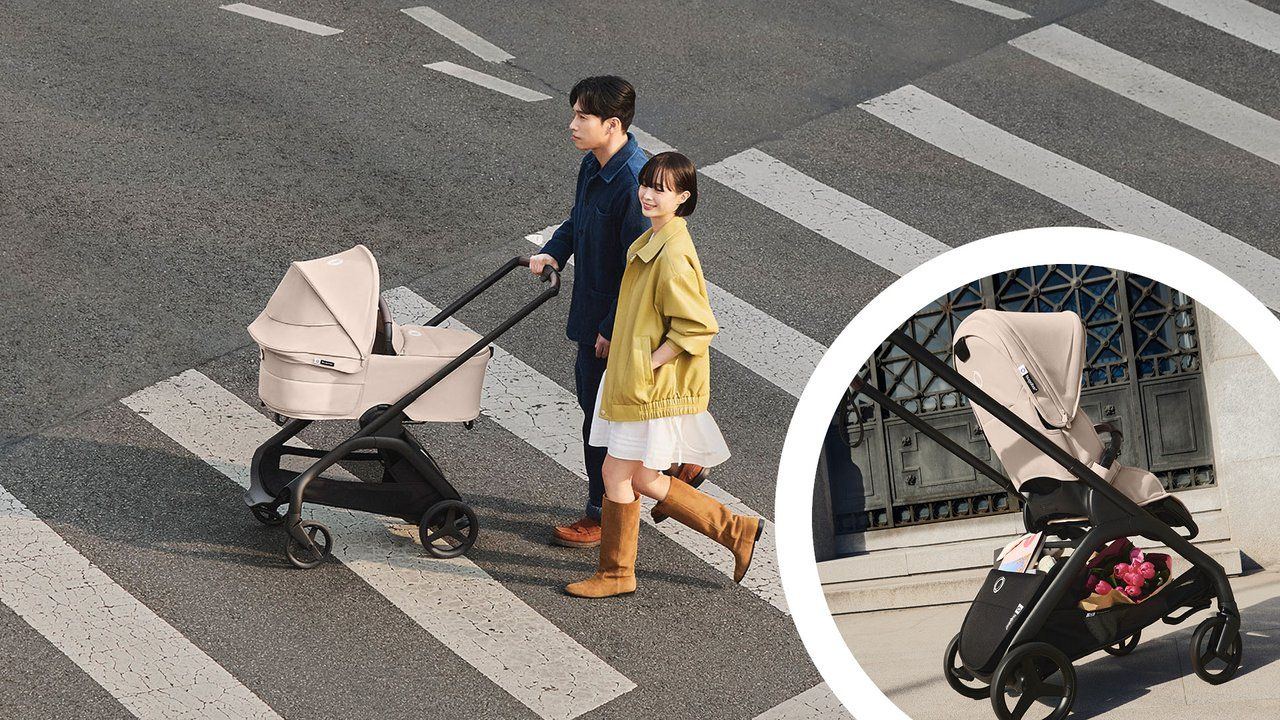
Bugaboo has achieved a 68% reduction in carbon footprint for selected Dragonfly Plus stroller components by switching from glass fibre-reinforced polyamide 6 to polypropylene compounds supplied by Polykemi. The material change also reduced stroller weight by 0.75 kg while maintaining safety and durability standards. Both companies manufacture in China, further limiting emissions through proximity.
Key points
- Bugaboo reduced component carbon footprint by 68 percent through material substitution. The switch lowered emissions from 21.9 kg CO₂e to 7.1 kg CO₂e per kilogram of material, according to Ruben Kempes, Sustainability Engineer at Bugaboo.
- Polypropylene's lower density decreased overall stroller weight by 0.75 kilograms. The material change maintained technical performance while delivering weight savings that improve portability and ease of use.
- Polykemi customized reinforcement levels for individual stroller components. Some parts contain 30% glass fibre reinforcement, others 20%, while some use unreinforced PP based on specific application requirements.
- Shared China manufacturing proximity reduced transportation-related emissions significantly. "With both Polykemi and Bugaboo manufacturing in China, we don't need to ship material all over the world," Kempes stated.
- Polykemi materials now comprise 38.5 percent of all plastics in the Dragonfly Plus. The extensive material adoption demonstrates the success of the material transition and its compatibility with Bugaboo's product requirements.
- Bugaboo plans further sustainability improvements including recycled materials and circular design principles. The company continues assessing material options as part of its broader strategy to reduce carbon footprint and chemical use while moving away from fossil-based raw materials.
Summarized by MalakyeAI