


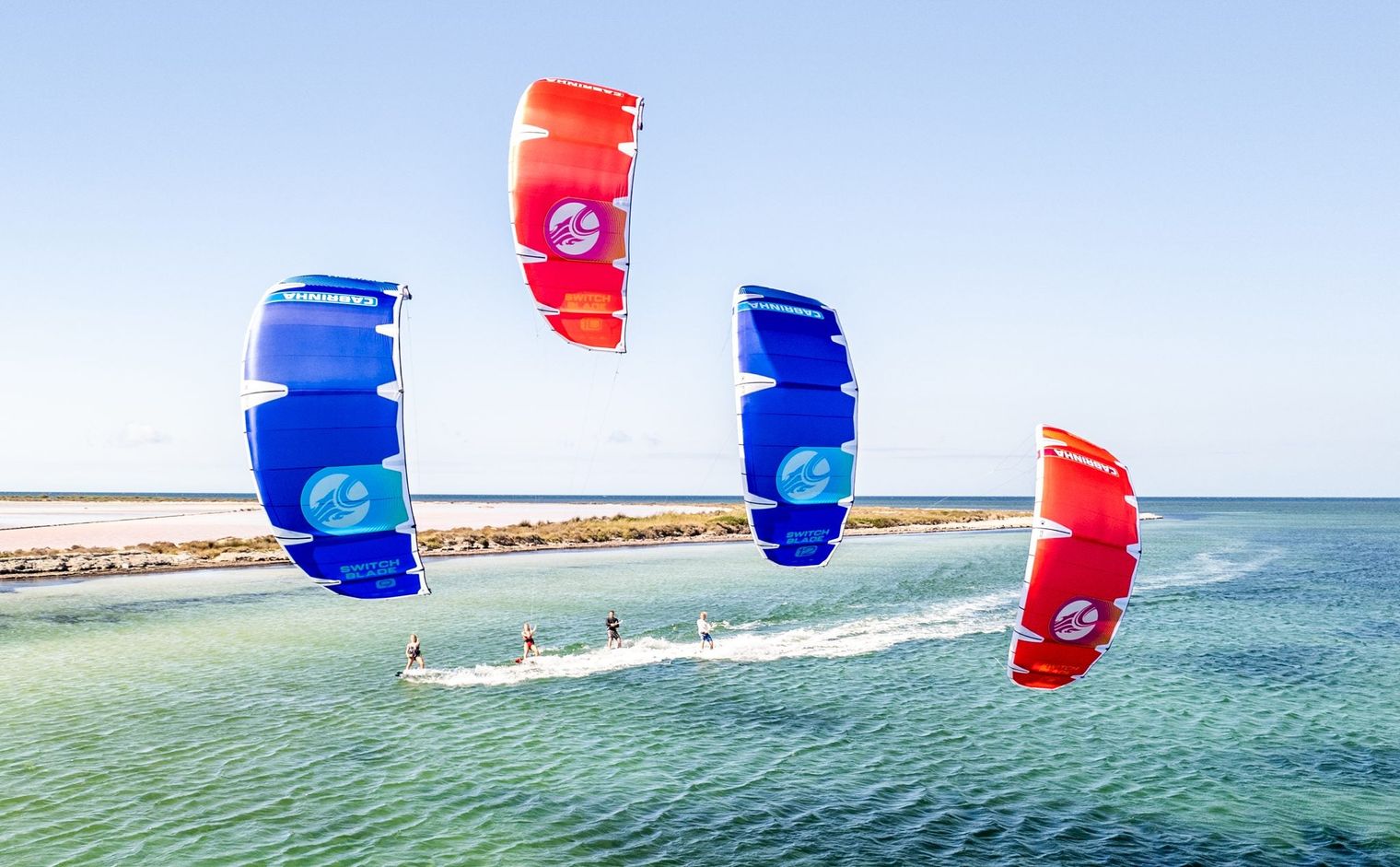
Kitesurfing is an exciting water sport that demands proper training, correct equipment and sound judgment about conditions to minimize risk. Most beginner accidents stem from riding in unsuitable wind, skipping equipment checks, launching without assistance or failing to release the kite in emergencies. Following seven essential safety practices enables riders to spend more time on the water and less time worrying.
Key points
- Learn kitesurfing exclusively from qualified instructors at certified schools. An instructor teaches wind window awareness, kite steering, depower techniques and self-rescue in a controlled environment, while providing appropriately sized equipment for the day's conditions.
- Wear a helmet, impact vest, wetsuit and control bar with working quick release. These items protect against common injuries and provide the critical ability to "depower the kite completely in an emergency."
- Conduct a two-minute pre-flight equipment check before every session. Inspect the quick release, kite leash, lines, kite canopy and safety gear for damage, corrosion, wear or improper attachment before entering the water.
- Choose wind conditions matching your skill level and avoid offshore wind. Beginners should seek steady side-shore wind between 12 and 20 knots; "if the gap between the lulls and the gusts is large, the kite becomes unpredictable."
- Master quick release activation and self-rescue techniques before venturing out. Practice releasing the kite until it becomes automatic, and remember to "stay calm and stay with your gear" if unable to ride back to shore.
- Always launch and land with an experienced assistant, never alone. An experienced helper ensures safety during these accident-prone moments, while a buddy watching you on the water provides immediate assistance if conditions deteriorate or equipment fails.
Summarized by MalakyeAI