


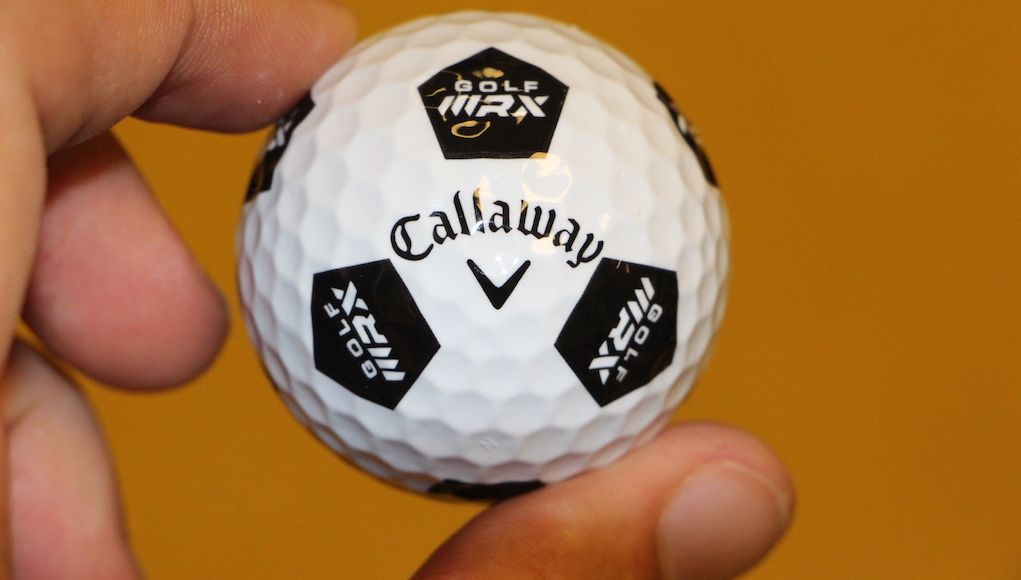
Callaway's golf ball manufacturing facility in Chicopee, Massachusetts produces millions of golf balls annually through complex chemistry and precision engineering. The plant, built in 1915 for car manufacturing, became a Callaway operation in 2003 after the company acquired Top Flight's assets. The facility showcases how modern golf ball production combines proprietary tooling, custom materials, and advanced technology.
Key points
- Callaway's Chicopee facility has deep historical manufacturing roots dating back to the Revolutionary War era. The location thrived as a manufacturing hub due to its Connecticut River position, which George Washington valued for a National Armory, according to Senior Director Vince Simonds.
- The company manufactures all tooling in-house, making ball replication virtually impossible. "The key to this business is the tooling," Simonds said, as Callaway guards trade secrets including cavity designs used for dimple formulation.
- Chrome Soft Truvis golf balls now represent 30 percent of Chrome Soft sales through soccer-ball-inspired pentagon designs. The soccer-ball aesthetic proved so successful that Callaway expanded from one specialized Truvis machine to three at the facility, contrary to initial forecasts.
- Ball logo orientation is precisely controlled using specialized machinery at the manufacturing plant. The seam on each golf ball aligns at a 45-degree angle to lettering, though this alignment has no effect on flight performance.
- Callaway previously used bowling balls to test different dimple designs during product development. Feedback was recorded on handwritten sheets before computerized systems, potentially leading to the development of the now-famous HEX dimple pattern.
- Golf ball manufacturing has evolved from manual processes to highly technological production methods. The transformation from basic handwritten documentation to advanced machinery reflects the industry's shift toward precision engineering and innovation.
Summarized by MalakyeAI