


What it takes to race a World Cup: Behind the scenes at Cannondale Factory Racing
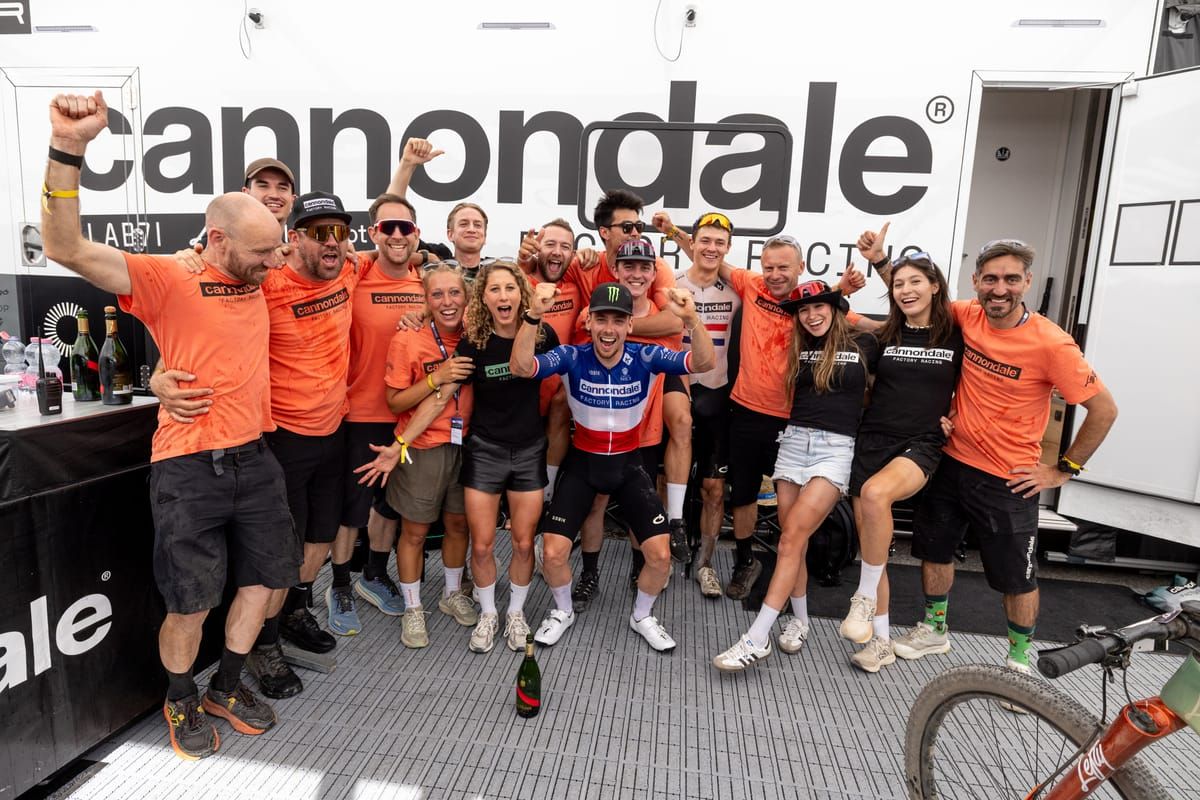
Cannondale Factory Racing deployed nearly three staff members per rider at the Austrian World Cup round, executing meticulous equipment testing, course analysis, and strategic planning across shifting weather conditions. The team's approach centered on removing decision-making burden from athletes, allowing them to focus purely on racing performance. Success hinged on rapid adaptation as course conditions transformed hourly.
Key points
- Head mechanic Pete Michaliszyn emphasized removing cognitive load from riders. "We had to take all the thinking away from the riders," he said, with staff managing bike setup, line selection, recovery, and race strategy.
- Cannondale's support staff outnumbered the five cross-country riders almost three to one. Mechanics, coaches, management, and support personnel worked continuously from athlete arrival through departure to optimize performance.
- Leogang's rapidly changing conditions forced constant equipment adjustments throughout the weekend. With rain forecast Friday but dry conditions expected Sunday, the team continuously modified tire choices and suspension settings as the course transformed hourly.
- Thursday practice day served as the critical testing window for mechanical work. Head mechanic Michaliszyn noted "the first day of practice is always the most important for us," allowing the team to establish baseline setups before racing began.
- The team maintained a no-blame culture focused on learning from mistakes. The outfit demonstrated the ability to "win, lose, learn, makes mistakes and picks each other up," supporting riders competing for the overall World Cup title and team classification.
- Riders received only six or seven practice laps before short track competition. Despite limited track time, the support staff aimed to answer all setup and course questions by race day so athletes could concentrate solely on performance.
Summarized by MalakyeAI