


Odoo Migration: When Should a Business Move to a New Odoo Version?
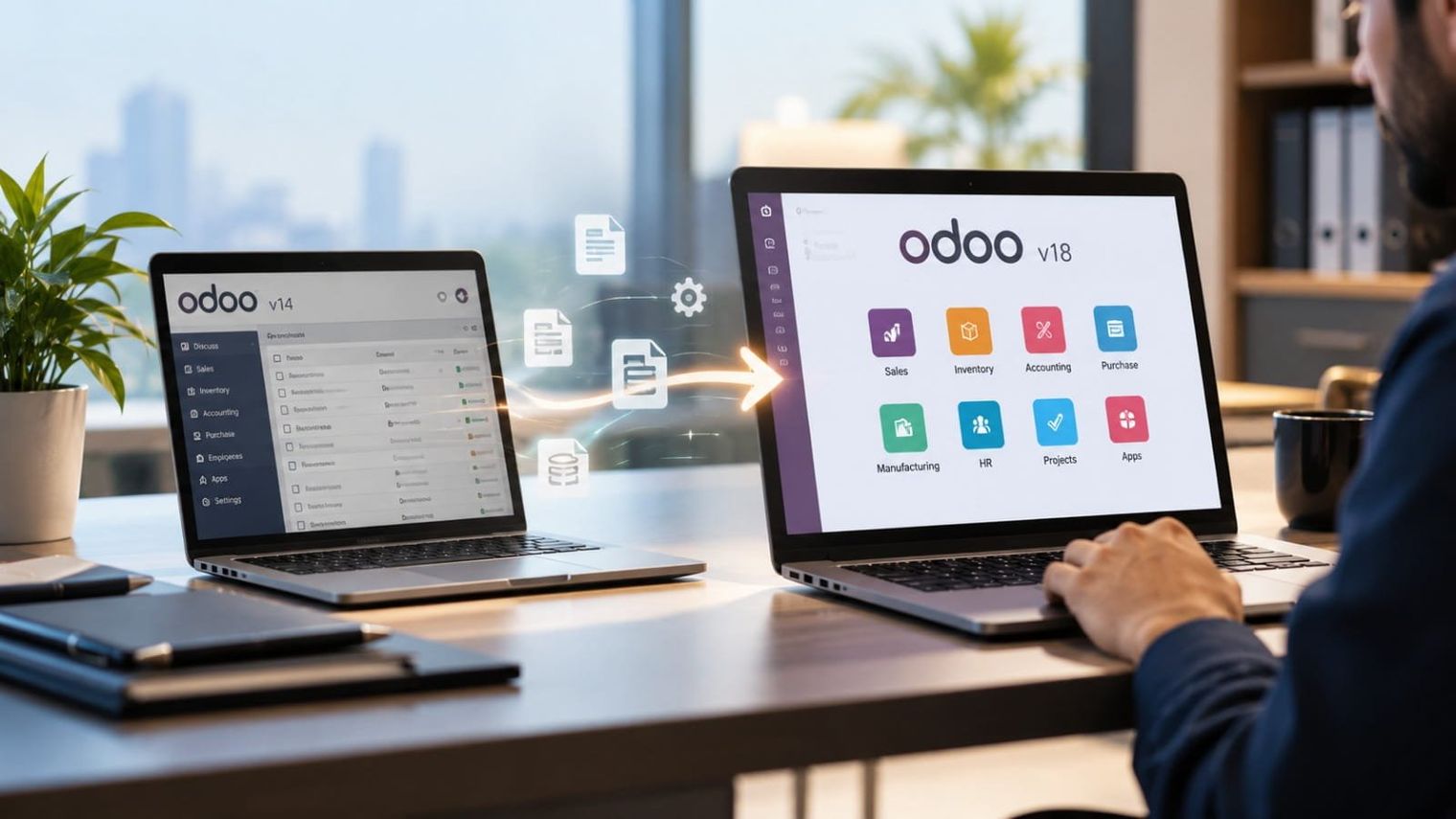
Growing businesses increasingly face decisions about upgrading their Odoo ERP systems as operational demands evolve. UAE companies particularly need to assess migration readiness due to approaching electronic invoicing mandates and stricter compliance requirements. Timing the upgrade correctly balances avoiding unnecessary costs against managing mounting maintenance risks.
Key points
- End of support status signals an urgent need for version migration. Older Odoo versions eventually lose access to security updates and bug fixes, making it critical to plan upgrades before support becomes unavailable.
- Rising maintenance costs indicate the current system may no longer be cost-effective. When "frequent technical fixes, outdated custom modules and manual workarounds can gradually increase the cost of maintaining an ERP system," migration evaluation becomes warranted.
- Third-party integrations require ongoing compatibility with updated APIs and security standards. Payment gateways and e-commerce platforms regularly update their requirements, potentially straining older Odoo environments that lack necessary development resources.
- UAE e-invoicing requirements create migration urgency for most businesses. Companies with annual revenue of AED 50 million or more must appoint an Accredited Service Provider by October 30, 2026, and implement electronic invoicing by January 1, 2027.
- Successful migration requires comprehensive pre-implementation planning and data validation. Businesses should audit existing environments, clean business data, select appropriate target versions and test thoroughly in staging environments before production deployment.
- Delaying planning while postponing deployment offers strategic advantages. Early assessment allows businesses to address technical issues and allocate budgets without rushing implementation during critical operational periods like year-end closing or peak seasons.
Summarized by MalakyeAI