


Effective Retail Environments
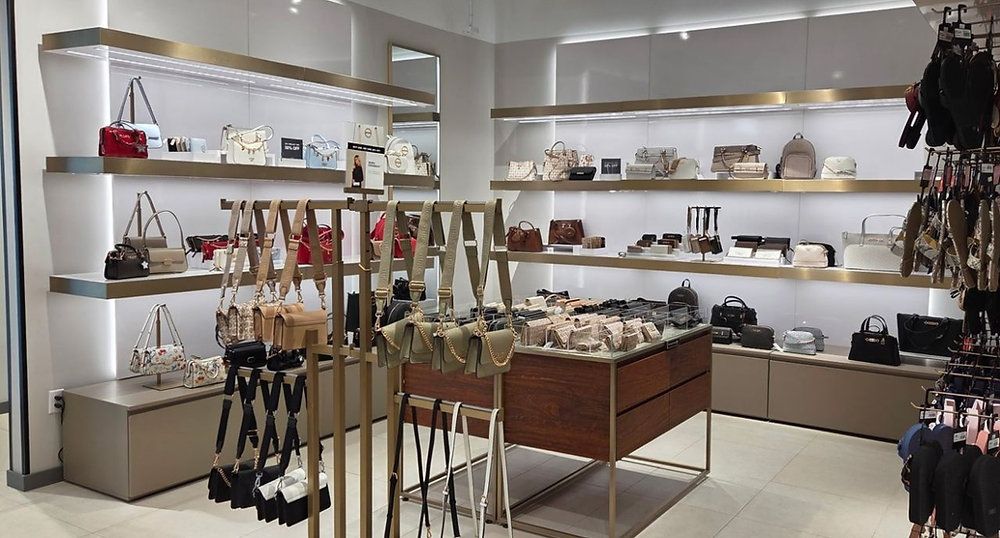
Effective retail environments combine strategic design elements to shape customer behavior and strengthen brand identity. These spaces integrate layout, materials, lighting, and flow patterns to create meaningful interactions and drive purchasing decisions. When executed deliberately, branded environments build trust and enhance overall performance across all customer touchpoints.
Key points
- Branded environments extend far beyond simple physical spaces. They represent a calculated integration of multiple design factors that work together to express brand identity and values.
- Layout, materials, lighting, and customer flow are core design components. These elements function interdependently to "bring a brand to life" across diverse retail and hospitality settings.
- Environmental design directly influences customer movement and decision-making. Intentional spatial planning guides how visitors navigate spaces and determines where engagement and purchases occur.
- Trust development depends on consistent environmental design execution. When branded environments are thoughtfully constructed, they reinforce customer confidence in the brand experience.
- Engagement increases through deliberate design planning. Strategic consideration of how spaces function creates natural opportunities for customers to interact with products and services.
- Performance metrics improve across all customer touchpoints. Well-designed branded environments generate measurable benefits by optimizing the entire journey from entry through purchase and beyond.
Summarized by MalakyeAI