


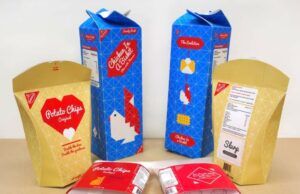
Packaging design significantly influences consumer purchasing decisions and serves as a critical marketing channel, particularly when products are displayed on retail shelves. A national study found that 72% of consumers say packaging design affects their buying choices, with preference for paper-based materials. Brands that invest in distinctive, thoughtfully designed packaging gain competitive advantage over competitors with generic presentations.
Key points
- Packaging design influences nearly three-quarters of consumer purchasing decisions. According to research by the Paper and Packaging Board and IPSOS, "72% of consumers say that packaging design can influence their purchasing decisions."
- Younger, more educated, and affluent consumers show even stronger packaging preferences. These demographic groups demonstrate higher sensitivity to packaging quality when making purchase decisions compared to general population averages.
- Paper-based packaging significantly outperforms plastic alternatives among consumers. The survey found that 68% of consumers prefer paper or cardboard packaging when given a choice, and 71% are more likely to purchase brands using paper materials.
- Shoppers associate product quality with packaging quality standards. Even in direct-to-consumer retail environments, packaging presentation shapes customer perceptions of overall brand and product quality.
- Effective packaging strategies require audience understanding and targeted design approaches. Successful brands match packaging design to specific audience needs using color psychology, specialty coatings, embellishments, and unique finishes to differentiate products.
- Paper-based packaging appeals to consumers due to sustainability and innovative design capabilities. Consumer preference for paper reflects both "innovative design techniques" and environmental benefits including recyclability and reusability.
Summarized by MalakyeAI