


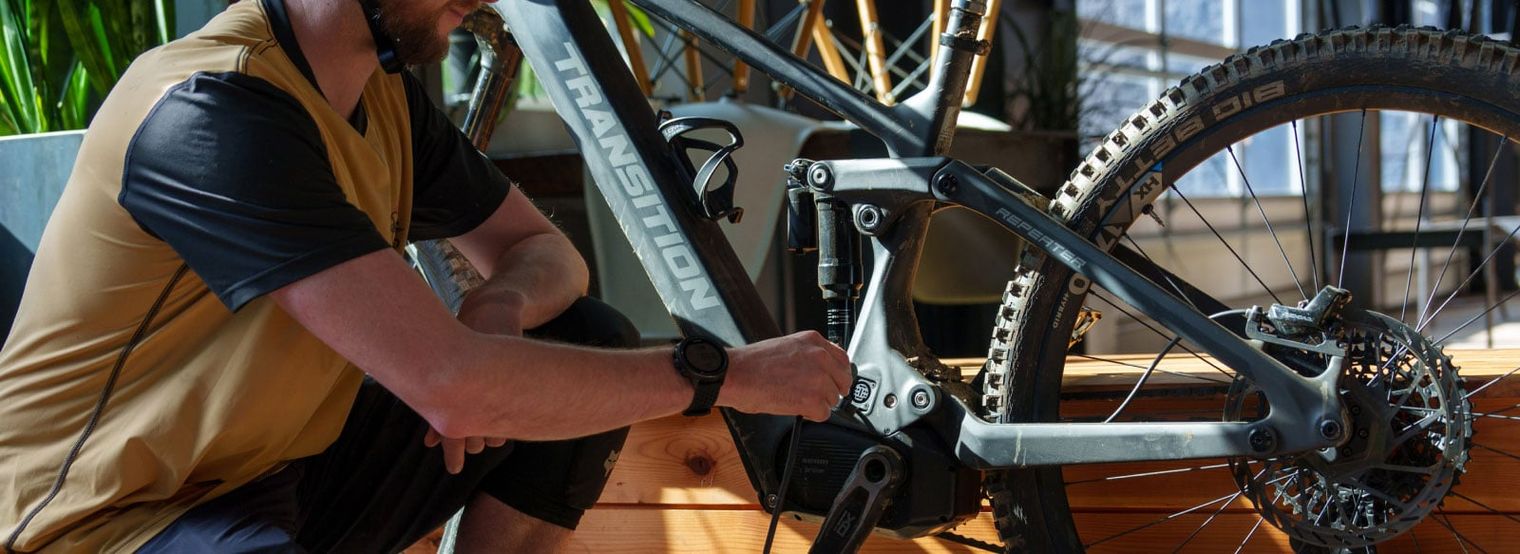
Electric mountain bikes, or eBikes, represent the fastest-growing bike category worldwide, offering riders enhanced capability and access to trails. Class 1 pedal-assisted eBikes dominate the market because they function similarly to traditional mountain bikes and are widely permitted on trails. Battery capacity, terrain, rider weight, and temperature all significantly influence range and performance.
Key points
- Class 1 eBikes use pedal-assistance without throttles for natural ride feel. These models are "widely adopted on trails worldwide" because they function more like non-motorized bikes than other electric classes.
- Lithium-ion batteries range from 320Wh to 720Wh in capacity. Larger batteries provide longer range and more power, though they add weight; some batteries are removable for convenient swapping during extended rides.
- Full-power and lightweight eBikes suit different riding styles and preferences. Full-power models work best for long-travel terrain and shuttle replacement, while lightweight options benefit riders concerned about weight on lower-angle terrain.
- Multiple factors affect eBike range and battery life significantly. Steep terrain, higher assistance modes, heavier riders, cold temperatures, and poor charging habits all reduce how far a battery will power a rider.
- eBikes benefit diverse riders from beginners to world-class racers. They help riders save time, recover between rides, build confidence, access challenging terrain, and maintain fitness after injury.
- Trail etiquette and safety maintenance are essential eBike responsibilities. Always turn off power before working on the drivetrain, ask permission before passing, respect trail closures, and use walk mode for hike-a-bike sections.
Summarized by MalakyeAI