


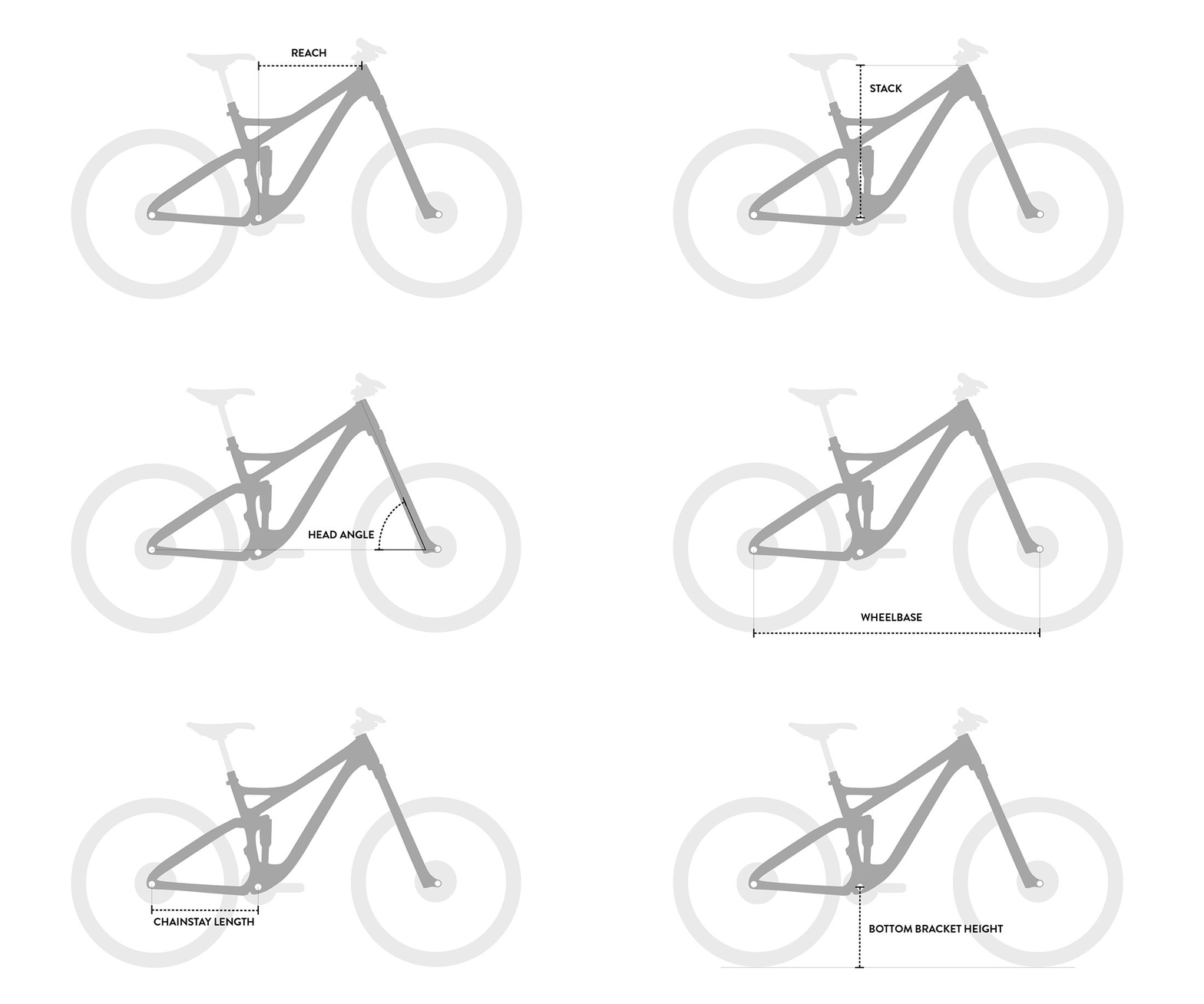
Selecting the correct mountain bike frame size requires matching your height to manufacturer sizing charts and understanding geometry measurements like reach and stack. Since frame size cannot be adjusted after purchase, getting the right fit from the start is essential for safe and enjoyable trail riding. Mountain bike sizing differs from other cycling disciplines, making it important to consult brand-specific charts beyond general guidelines.
Key points
- Height-based sizing charts provide the starting point for frame selection. A rider between 5'7" and 5'10" typically fits a medium frame measuring 17-18 inches, though "you should look at the size chart that is specific to the brand you are looking at due to differences in design philosophy."
- Reach and stack are the two most critical geometry measurements for fit. Reach measures the horizontal distance from the bottom bracket to the head tube center and primarily affects cockpit length and hip range of motion during aggressive riding positions.
- Sizing up provides longer reach and wheelbase for riders with proportionally longer torsos. Increased reach rewards flexible riders seeking aggressive positioning, as "longer bikes" deliver benefits for extended range of motion in the cockpit.
- Sizing down offers shorter reach and wheelbase for more nimble handling. Smaller frames suit riders with longer legs, less flexibility, or preference for upright positions, as they provide easier maneuverability and less demanding sustained postures.
- Head tube angle determines steering characteristics and terrain suitability. Slack angles below 65 degrees provide stability at speed on downhill terrain, while steep angles above 70 degrees offer responsive uphill steering.
- Test riding multiple brands is essential before purchase. Similar bikes from different manufacturers fit differently, so "go out there with an open mind" and demo bikes available at evo locations before committing to a purchase.
Summarized by MalakyeAI