


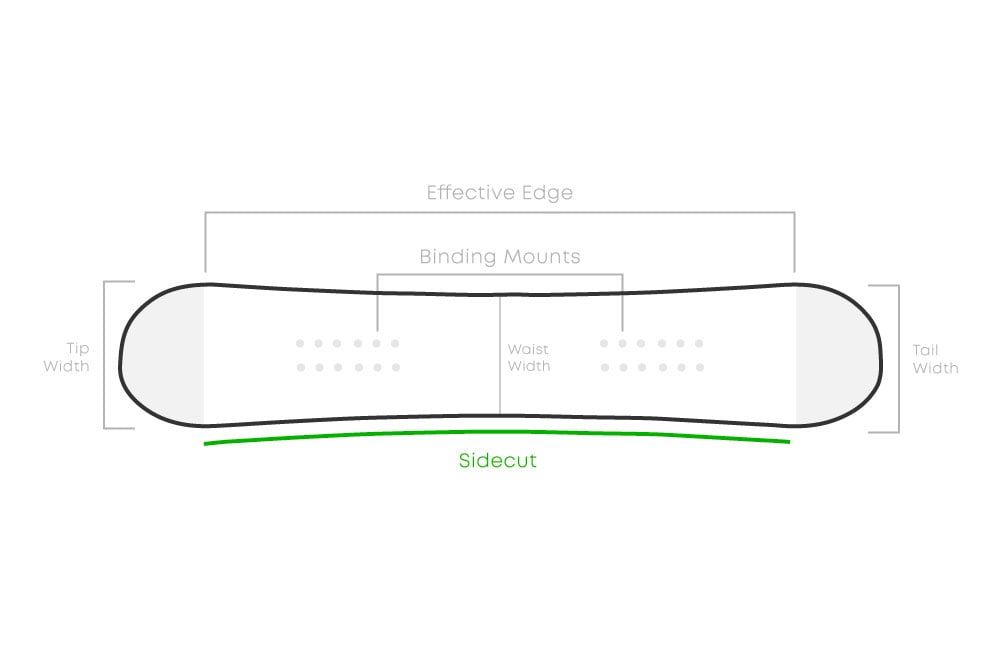
Selecting the correct snowboard requires matching board length and width to your body measurements, riding style, and ability level. Snowboard size depends on weight, height, terrain preference, and personal preference rather than a single standardized formula. Key specifications like waist width, effective edge, and flex rating significantly impact how a board performs.
Key points
- Snowboard length varies based on body weight and intended terrain type. The traditional chin-height test serves as a starting point, but ability level and construction matter equally when determining appropriate board length.
- Waist width must align with boot size to prevent boots from catching snow during turns. "Your snowboard boots will hang over the edges of the snowboard just slightly but not so much as to hit the snow when the board is on edge."
- Freestyle riders should choose shorter boards for easier spinning and maneuvering. Shorter lengths provide improved maneuverability in terrain parks and half-pipes compared to longer options.
- Freeriding and all-mountain riders benefit from longer boards for stability and speed. Volume-shifted boards offer an alternative for riders seeking longer-board advantages without additional length.
- Board flex ratings range from soft to very stiff, affecting handling and performance characteristics. Softer flex suits beginners and park riders, while stiffer flex provides edge hold and stability for high-speed freeride use.
- Testing boards through rentals or demos provides essential real-world feedback before purchase. "There is absolutely no substitute for some real-time on the snow" to determine if a specific model suits your needs.
Summarized by MalakyeAI