


The Fitbit Air is the most comfortable fitness tracker I’ve worn, but I have some complaints after 3 months of wear
By Mashable
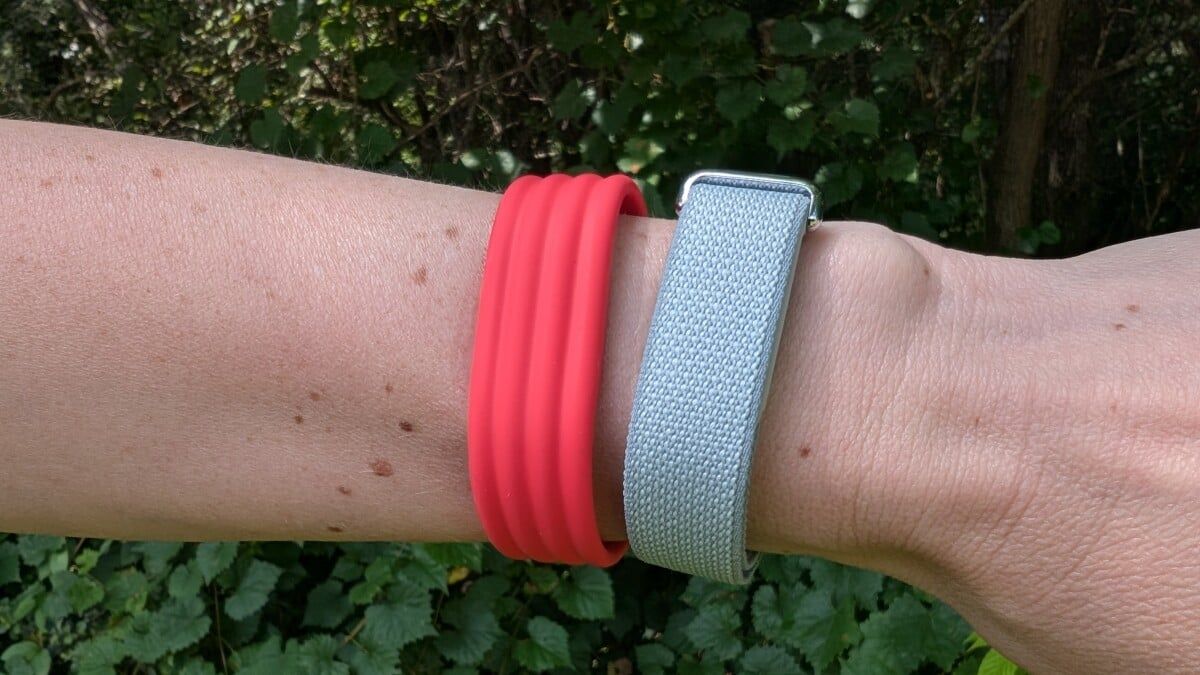
Google's Fitbit Air, a sub-$100 fitness tracker, delivers exceptional comfort and battery life after three months of testing. The lightweight device feels nearly imperceptible to wear and recharges fully in about an hour. However, the tracker struggles with nap detection, cycling recognition, and lacks built-in GPS and stair-climbing metrics.
Key points
- The Fitbit Air weighs just 12 grams, making it the most comfortable wearable tested. At half the weight of competing trackers like the Whoop 5.0, the device feels "as if you're wearing nothing" during daily activities and sleep.
- Battery life exceeds Google's seven-day claim, reaching over eight days in testing. The tracker also charges rapidly, achieving 44 percent battery in just 10 minutes of charging time.
- Google Health Premium's AI Coach provides personalized weekly workout plans based on user goals. The reviewer noted the coach "popped out a five-session plan each week" customized to their fitness equipment and objectives.
- Nap detection is unreliable, capturing only about 50 percent of naps with delayed reporting. The tracker's 20-minute minimum threshold for detecting rest periods creates tracking gaps for users who nap frequently.
- Automatic cycling detection captured approximately 75 percent of rides, with missed trips due to lack of built-in GPS. Users must manually log cycling sessions to ensure accurate activity tracking.
- The tracker does not measure stairs climbed, showing zero floors in weekly progress reports. This limitation affects users focused on vertical movement metrics as part of their fitness routine.
Summarized by MalakyeAI