


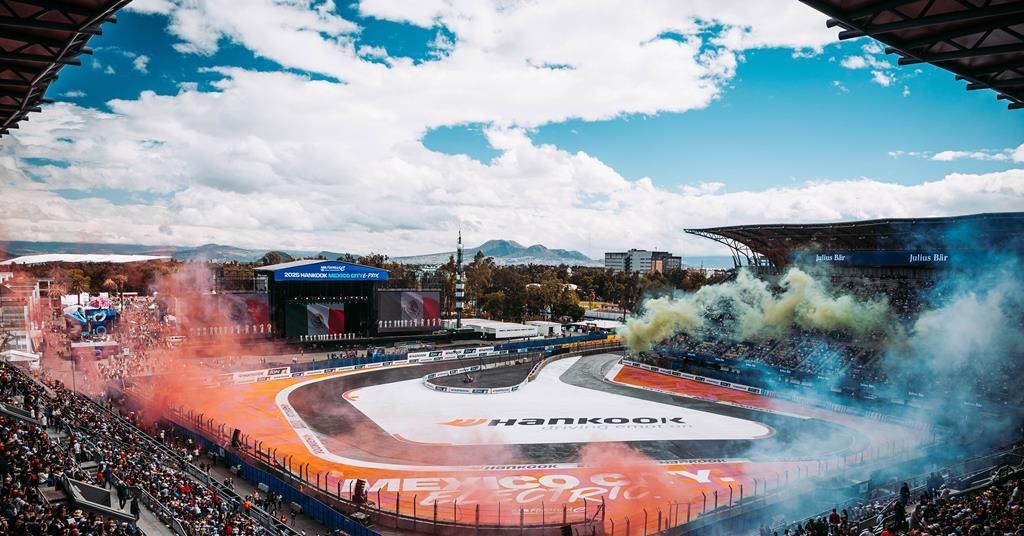
Formula E launched from a napkin sketch in 2014 without motorsport tradition, yet now operates with advantages over established racing series. The electric championship's lack of historical baggage allows it to adapt rapidly to modern audiences and technology shifts. Its younger demographic and creative approach to fan engagement position it differently than Formula 1's century-old framework.
Key points
- Formula E's founding in 2014 freed it from entrenched traditions and habits. Unlike Formula 1, which dates to 1950, Formula E "does not have to explain why an environmental commitment has suddenly appeared in a strategy deck."
- The GEN4 car launching for 2026-27 accelerates 30% faster than Formula 1 vehicles. The new generation will include 71% more power and a 30-minute E-Prix Unleashed sprint format designed for modern viewing patterns.
- Formula E maintains an unusual 50/50 gender split in its audience demographics. This balance reflects the championship's younger, urban viewership that discovers racing through gaming and non-traditional motorsport content creators.
- Sustainability was embedded in Formula E's foundation from the start. The racing format was designed around 45-minute races fitting contemporary viewing habits rather than retrofitting environmental values into existing structures.
- Creator partnerships like MrBeast's participation attracted 5.8 million livestream viewers. According to Formula E CMO Ellie Norman, "94% of the accounts reached were new to Formula E," demonstrating alternative pathways beyond traditional motorsport audiences.
- Formula E leverages existing gaming communities rather than building standalone platforms. The championship places content where audiences already gather rather than expecting fans to adopt dedicated Formula E products.
Summarized by MalakyeAI