


Ernest Aguinam on understanding the immune system to help patients with radiation injury and chronic Lyme
By Harvard University - Wyss Institute
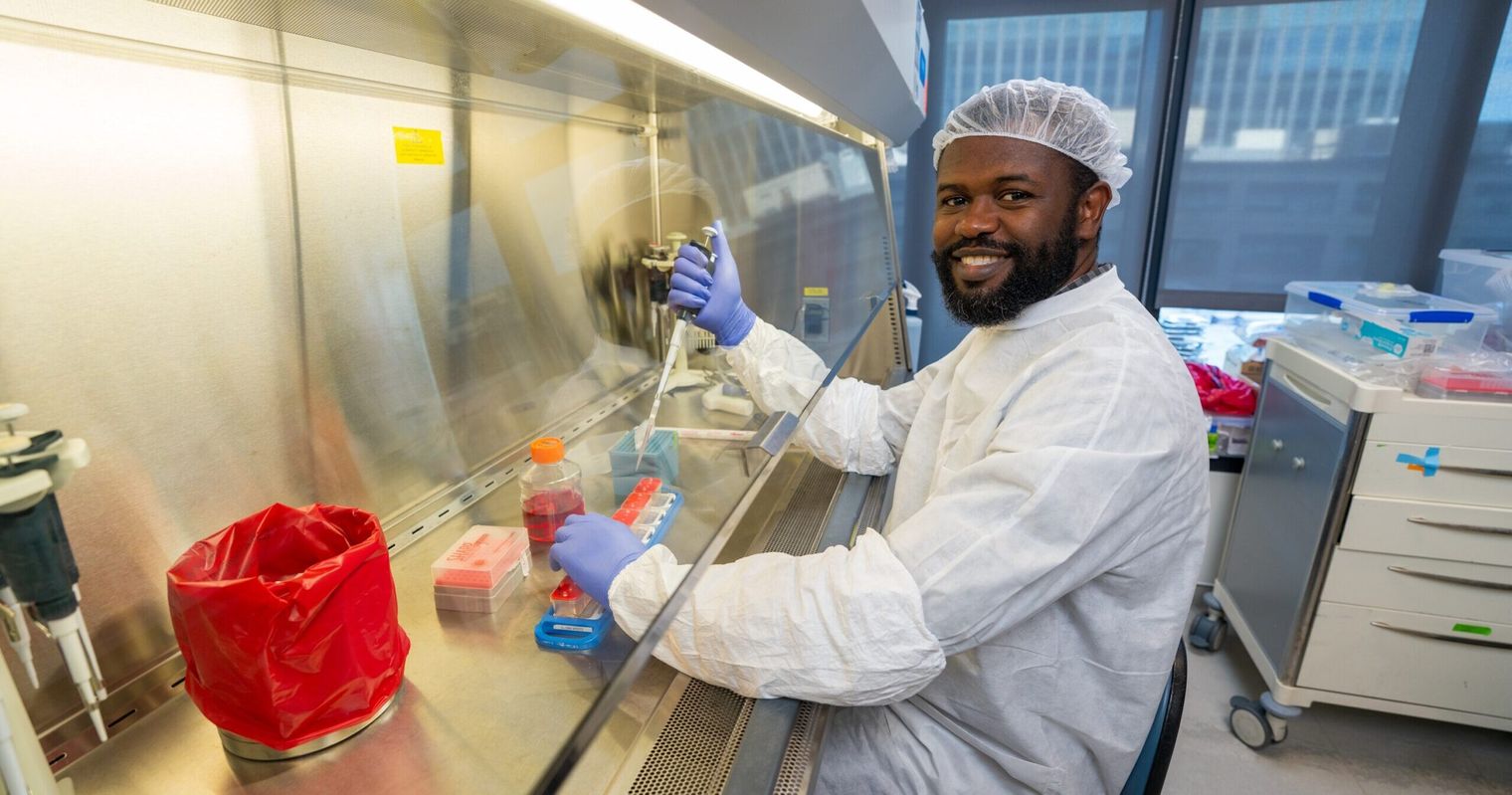
Ernest Aguinam, a researcher at the Wyss Institute, is advancing treatments for radiation injury and chronic Lyme disease by studying immune system mechanisms. His work draws parallels to songwriting, where hypothesis testing mirrors the creative process of developing new therapeutics. Aguinam collaborates across disciplines to translate laboratory discoveries into patient-focused solutions.
Key points
- Aguinam compares drug development to composing music through systematic testing. He explained that researchers "start with a hypothesis or a new lyric, tests variables, like tempo or a new compound," creating a parallel creative process.
- The researcher focuses on understanding immune system dysfunction in radiation injury patients. His work aims to identify biological mechanisms that could inform new treatment strategies for individuals exposed to harmful radiation.
- Chronic Lyme disease represents another major research focus for Aguinam's team. The condition's complex immune response requires detailed investigation to develop effective therapeutic interventions.
- Collaboration across multiple disciplines strengthens Aguinam's research approach at the Wyss Institute. Working with colleagues from different specialties accelerates the translation of laboratory findings into clinical applications.
- Testing variables systematically guides the path from initial concept to therapeutic candidate. Aguinam's methodology emphasizes rigorous experimentation to validate hypotheses before advancing toward clinical development.
- The Wyss Institute's interdisciplinary environment enables researchers like Aguinam to pursue ambitious health challenges. This collaborative structure supports the long-term investigation needed to transform basic science into patient-centered solutions.
Summarized by MalakyeAI