


Reversing age by reprogramming gene expression networks
By Harvard University - Wyss Institute
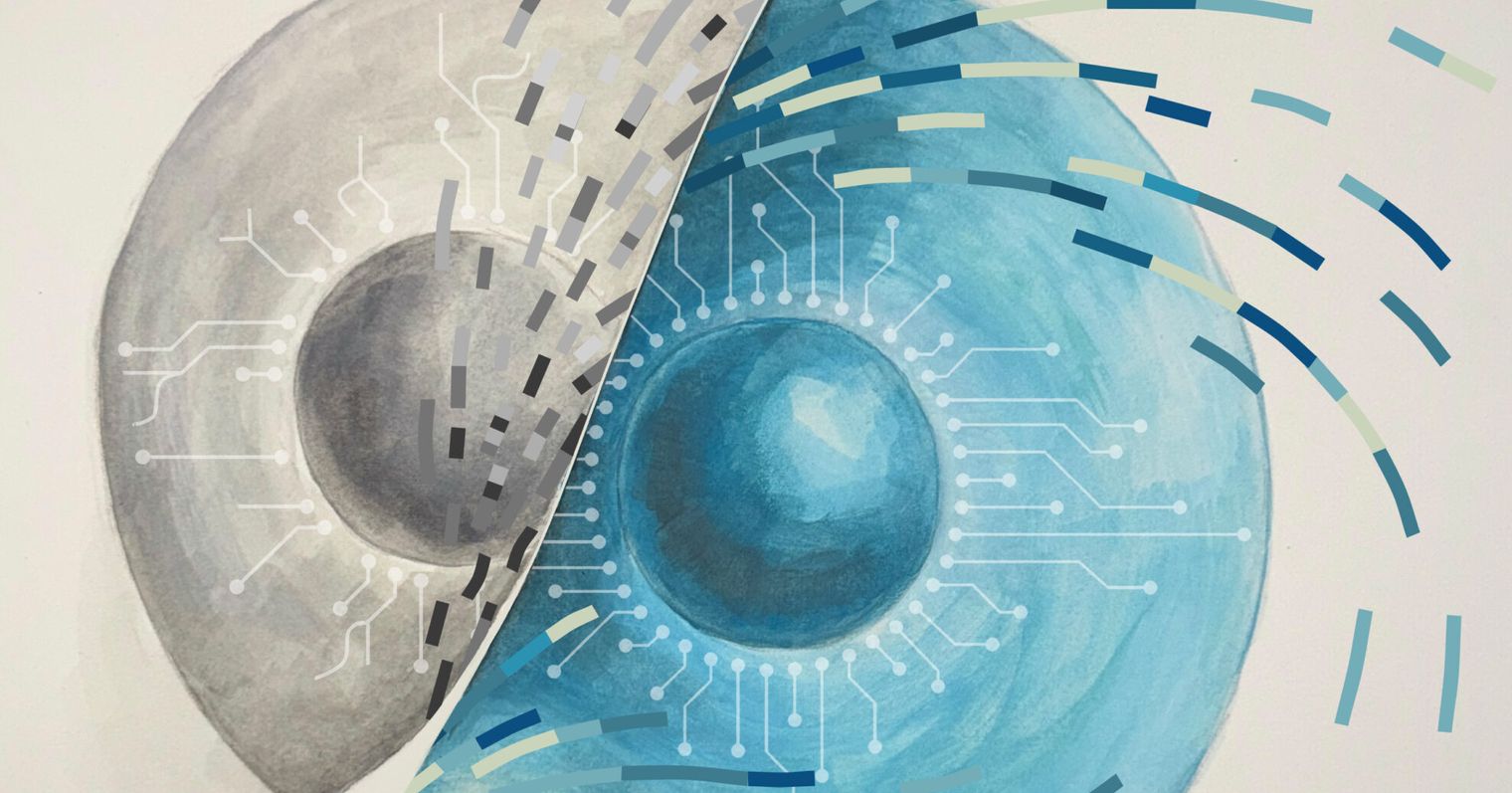
Researchers have identified key hallmarks of aging that could be reversed through targeted interventions, potentially enabling tissue rejuvenation and slowing age-related decline. Scientists believe that by manipulating specific biological processes associated with aging, they may be able to restore lost function and integrity to organs and tissues. The discovery of these aging mechanisms represents a significant step toward developing therapies that could extend healthy lifespan.
Key points
- Aging causes progressive loss of function across organs and tissues. Every body system experiences deterioration as organisms grow older, leading to reduced efficiency and increased vulnerability to disease.
- Scientists have identified specific hallmarks that characterize the aging process. These markers represent distinct biological mechanisms that researchers can study and potentially target with interventions.
- Aging hallmarks function as potential intervention targets or "levers." Researchers believe that successfully addressing these key processes could help reverse aging at the cellular and tissue level.
- Targeting aging hallmarks may enable tissue rejuvenation. By manipulating the identified biological pathways, scientists hope to restore damaged tissues and reverse age-related deterioration.
- Gene expression networks play a central role in aging. Reprogramming how genes are expressed within these networks represents a promising approach to counteracting age-related decline.
- Understanding aging mechanisms could extend healthy lifespan. Developing therapies based on hallmark identification aims to help people maintain tissue function and quality of life as they age.
Summarized by MalakyeAI