


OLD VERSION – 3 Roof-Raking Tips for Quicker and Easier Roof Snow Removal
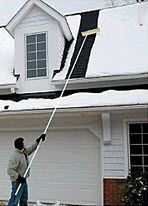
Homeowners dealing with roof snow buildup can improve their removal process by selecting the proper equipment and using strategic raking techniques. The process requires patience and a methodical approach to avoid damaging roofing materials. Following specific guidelines makes snow removal faster and safer.
Key points
- Roof rake blades should be made of plastic, not metal. A plastic blade protects shingles from damage, while metal blades with wheels or rollers can elevate slightly to prevent contact with the roof surface.
- Remove snow in multiple layers rather than attempting complete removal at once. "Don't try to remove all the snow in one or two pulls of the roof rake" because the effort may cause mistakes and roof damage.
- Start raking from the bottom of the roof and work upward. Beginning at the lowest point prevents snow from accumulating on overhangs, which can form ice dams if left unattended.
- Work in 12-inch increments when clearing layered snow. This measured approach depends on total snow depth and allows for controlled removal without overwhelming the roofing structure.
- Metal roof rake handles should have a slight bend near the head. The bend in the handle improves leverage and makes the raking motion more efficient during snow removal operations.
- Bottom-to-top raking prevents ice dam formation on roof overhangs. Clearing overhang snow first ensures that higher sections can be cleared without creating dangerous snow accumulation that could damage the roof system over time.
Summarized by MalakyeAI