


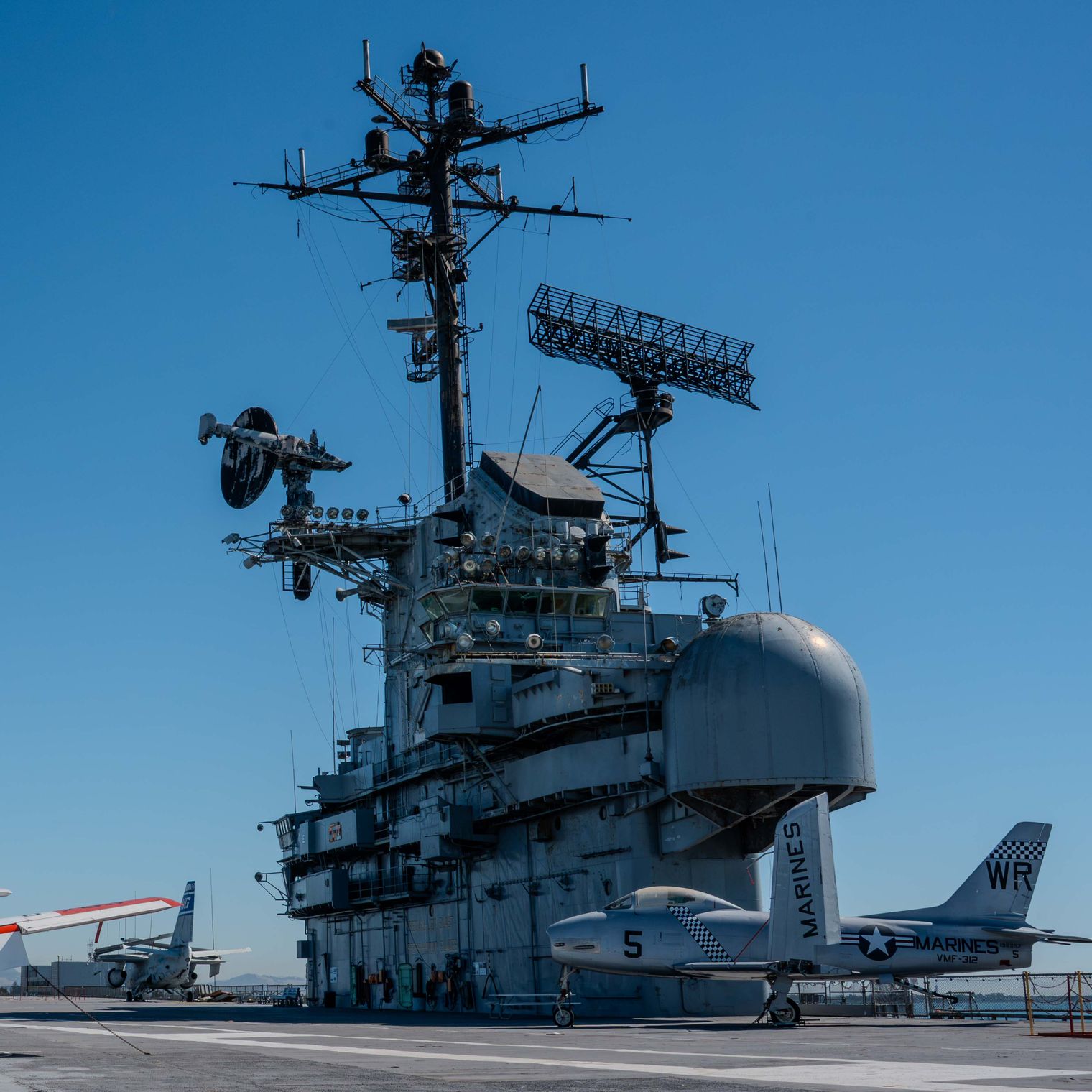
The USS Hornet, a World War II-era aircraft carrier now docked in Alameda, offers lessons in repair and maintenance that extend beyond naval history. The 872-foot vessel, built in 1943, demonstrates how strategic approaches to fixing damaged systems can inform modern manufacturing and electronics production. Industry leaders gathered at the ship to study repair methodologies applicable to contemporary challenges.
Key points
- The USS Hornet serves as a physical case study for repair principles. The carrier's preservation and ongoing maintenance demonstrate techniques relevant to electronics manufacturing and other industries facing durability challenges.
- Scale and historical context shape understanding of the vessel's engineering. At 872 feet, the Hornet is "more than 200 feet shorter than the US Navy's newest carriers," illustrating how design standards have evolved over decades.
- Repair lessons from naval vessels apply to modern manufacturing decisions. The ship's construction methods and maintenance protocols provide practical insights for companies determining how electronics and complex systems should be built.
- Industry professionals convened specifically to study the Hornet's repair approaches. Instrumental's Build Better Summit brought together decision-makers in electronics manufacturing to examine the carrier's maintenance strategies firsthand.
- The vessel remains an imposing structure despite its mid-sized classification today. Though originally a giant when commissioned, the ship still demonstrates the durability engineering principles that kept it operational for decades.
- Strategic repair practices extend the functional lifespan of complex systems. The Hornet's continued operation illustrates how proper maintenance and repair methodology can preserve functionality across generations of technological change.
Summarized by MalakyeAI