


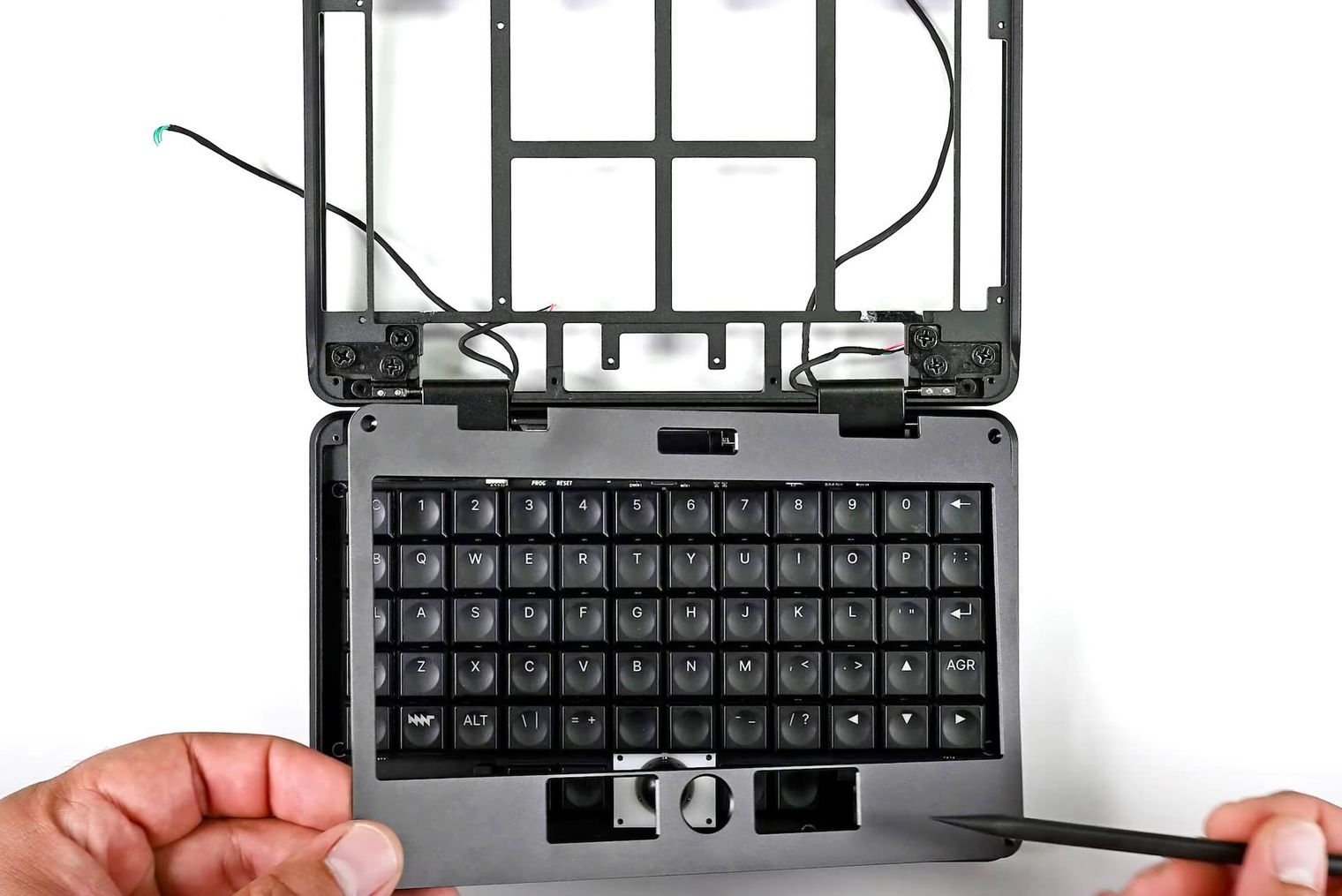
Repurposing old laptop components into mini desktop computers offers an environmentally conscious alternative to discarding obsolete hardware. However, this practice remains uncommon despite rising laptop costs and the growing availability of modular, upgradeable machines. Barriers to adoption include technical complexity and limited awareness of conversion possibilities.
Key points
- Laptop upgrades generate surplus components needing responsible disposal or reuse. As consumers replace CPUs, RAM, and storage in modular machines, leftover parts accumulate without obvious next steps beyond donation.
- Mini desktop computers represent an underutilized alternative to discarding old hardware. Converting laptop components into functional desktop systems extends device lifecycles and reduces electronic waste in landfills.
- Rising laptop costs incentivize component reuse and creative repurposing strategies. Current pricing pressures make "Rammageddon" cost inflation relevant to consumers seeking budget-friendly computing solutions through recycled parts.
- Modular, repairable laptop designs enable component extraction and reassembly. Machines engineered for upgradability provide the technical foundation necessary for successful conversion into alternative computing form factors.
- Limited consumer awareness hinders widespread adoption of component-to-desktop conversion. Most users lack knowledge about feasibility or step-by-step guidance for transforming laptop parts into functional mini computers.
- Specialized companies like MNT offer examples of cyberdeckian computing alternatives. Manufacturers exploring modular and unconventional computing formats demonstrate market interest in repurposed hardware configurations beyond traditional desktop and laptop categories.
Summarized by MalakyeAI