


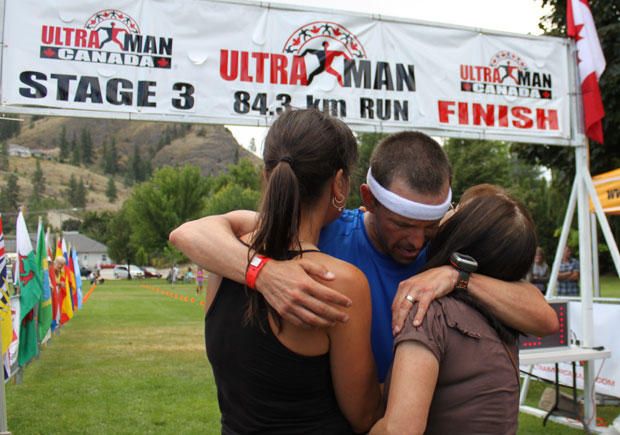
Ultraman—a three-day, 320-mile stage race combining swimming, biking and running—attracts a niche group of multi-sport athletes seeking extreme endurance challenges. World champions Tara Norton and Mike Coughlin, both Canadian triathletes, shared insights into the training, preparation and crew dynamics required to complete this grueling event. Their paths to Ultraman success began with IRONMAN racing before transitioning to ultra-distance competition.
Key points
- Ultraman consists of three distinct racing stages over consecutive days. Day 1 includes a 6.2-mile swim and 90-mile bike; Day 2 features a 171.4-mile bike ride; Day 3 concludes with a 52.4-mile double-marathon.
- Training for Ultraman doesn't differ dramatically from IRONMAN preparation. Coughlin notes that "when I have an athlete looking to do their first ultra, I train them in a way that doesn't feel much different than an IRONMAN."
- Multi-day simulations are essential for race preparation. Athletes should complete at least two three-day practice races, using two-thirds of race-day distances to avoid overtraining while building confidence and identifying potential problems.
- The swim segment presents the biggest mental hurdle for transitioning athletes. Norton recommends athletes complete a 10-kilometer swim before race day as a confidence-building measure before tackling the 6.2-mile race swim.
- Crew support is critical to race success and cannot be an afterthought. Norton advises selecting a minimum of two and maximum of four crew members, as "the crew absolutely is a big part of not just surviving the race, but going as fast as your body will allow."
- Mental preparation proves as important as physical fitness for completion. Norton states that "most people show up physically able to do it. It comes down to your mindset."
Summarized by MalakyeAI