


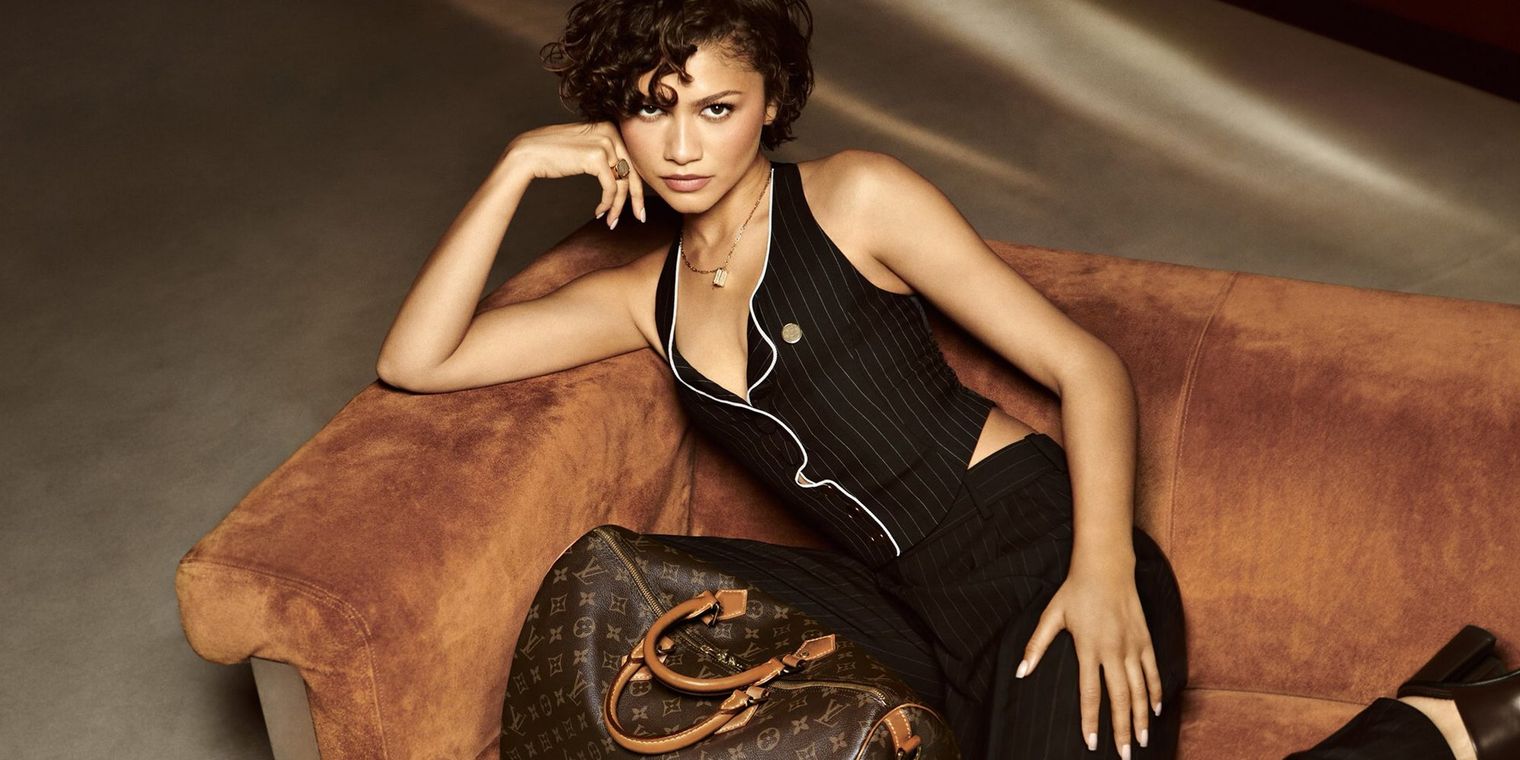
Major luxury groups reported modest earnings improvements this week, but analysts question whether a genuine market recovery is underway. Instead, a value-for-money problem is reshaping the sector, with consumers increasingly gravitating toward jewelry over handbags and trading down to secondhand luxury. Brands are adjusting pricing strategies with mixed results as they attempt to serve customers across all price tiers.
Key points
- LVMH reported first-half revenue of €38.6 billion, up 2% organically. Fashion and leather goods returned to positive territory after seven consecutive quarters of decline, though growth remained modest at 1%.
- Jewelry divisions are significantly outpacing fashion and leather goods across the industry. LVMH's watches and jewelry grew 11% in the second quarter compared to 1% for fashion, while Kering's jewelry business grew 18% despite flat fashion performance.
- Analyst Luca Solca attributes the divergence to a value-for-money advantage that jewelry now holds over handbags. A bracelet or pendant made with precious metals "can appear increasingly rational beside a leather bag whose price has risen steeply since 2019."
- Gucci acknowledged going too far on pricing and is making targeted reductions. CEO Luca de Meo said pricing adjustments produced "exponential" effects on volumes, though Solca warned that "Gucci may have found customers before finding desirability."
- Resale platforms are thriving as consumers seek recognized luxury brands at lower prices. Vinted generated $1.28 billion in revenue last year and is expanding into the U.S., while The RealReal expects continued strong growth.
- Prada and Brunello Cucinelli demonstrated that premium positioning can drive growth without broad market recovery. Prada Group achieved 5% organic growth through product mix improvements targeting top-tier customers, while Brunello Cucinelli posted 13.3% revenue growth supported by controlled distribution.
Summarized by MalakyeAI