


Winter Adventures In The Desert
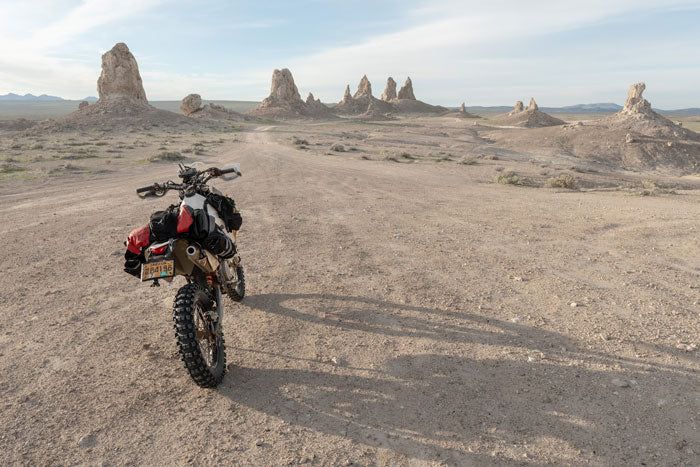
Late winter is ideal for exploring Southern California's desert regions, offering manageable temperatures, abundant sunshine, and blooming wildflowers as an escape from Pacific Northwest gray skies. A rider loaded a dual-sport motorcycle onto a 1997 Chevy Astro van and spent multiple days exploring remote desert landscapes across iconic locations. The journey combined adventure riding with solitude, stunning natural scenery, and unexpected encounters.
Key points
- Late winter and early spring offer optimal desert conditions for Southern California travel. The temperatures are manageable compared to summer heat, with abundant sunshine and wildflowers in bloom throughout the region.
- Trona Pinnacles required an unplanned detour on unmarked dirt roads. Apple Maps routed the rider to an unmarked road as daylight faded, forcing a choice between backtracking 20 miles or continuing forward into the unknown terrain.
- The Mojave Road is a 150-mile unmaintained dirt route with significant historical importance. The two-track began as a Native American thoroughfare, later served Spanish explorers and US military in the 1860s, and remains "a fantastic adventure route" today.
- Mojave National Preserve contains the densest Joshua Tree forest in the world. The rider encountered abandoned homesteads, explored old mines, and summited several cinder cones while navigating the expansive landscape.
- Unexpected rain fell during the desert crossing, creating challenging muddy conditions. Despite seeking sun to escape Pacific Northwest moisture, the rider experienced precipitation at Soda Lake but appreciated the warm rain and its fresh desert scent.
- The trip culminated in Anza Borrego with remarkable wildflower displays and diverse cactus species. The rider encountered "giant aggressive caterpillars everywhere" while carving through slot canyons and riding sketchy ridgelines with local friends.
Summarized by MalakyeAI