


13 seemingly bizarre Colorado town names explained
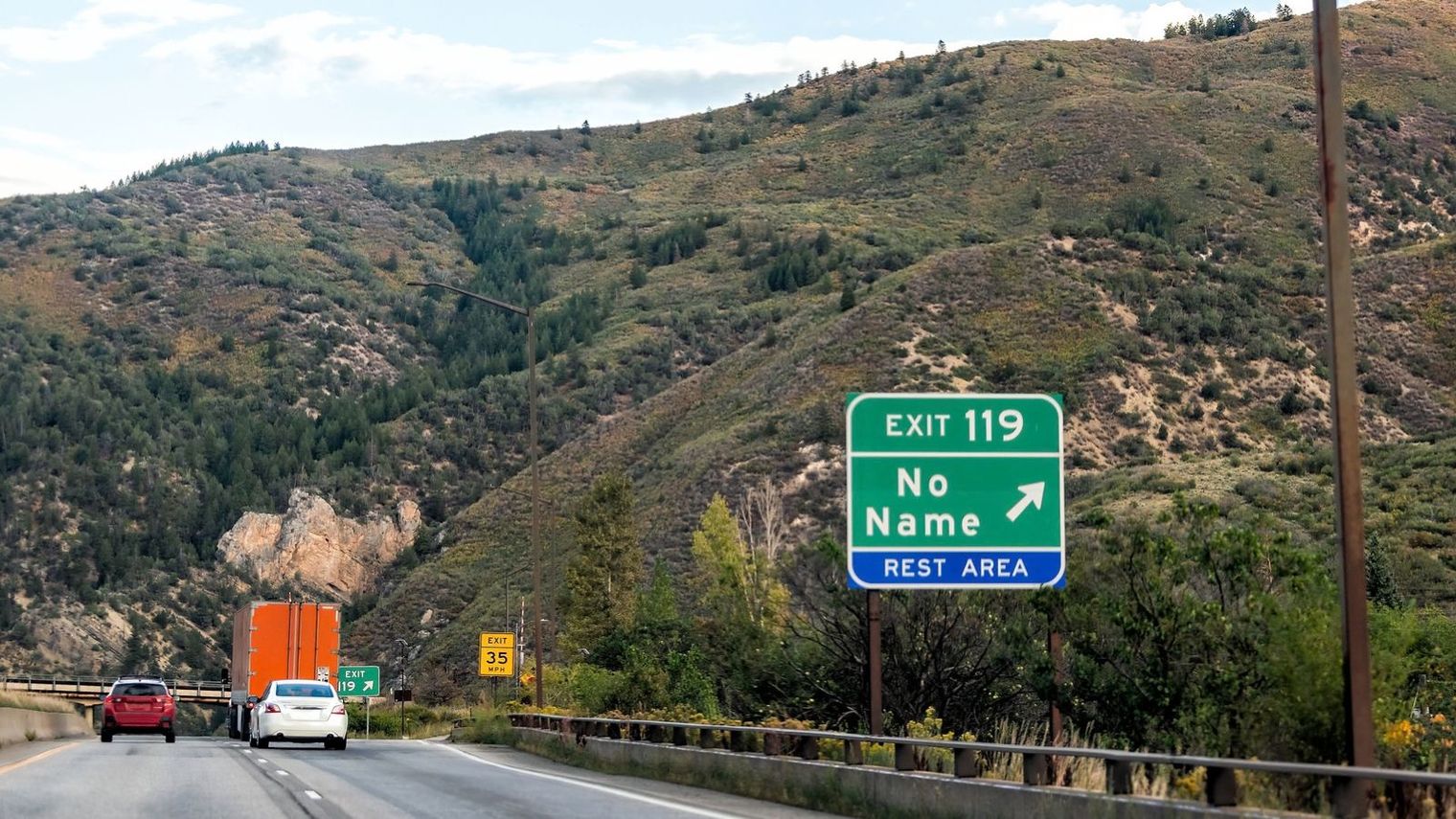
Colorado's landscape is dotted with towns bearing unusual names born from misunderstandings, jokes, and cultural influences. From No Name to Parachute, these communities showcase the Wild West's colorful naming traditions. The origins of these peculiar designations reveal fascinating histories spanning from indigenous language to political maneuvering.
Key points
- No Name resulted from a community survey about naming the town. Most respondents wrote "no name" in response, leading officials to adopt it as the official designation, though alternative explanations cite a nearby creek that surveyors never formally named.
- Cripple Creek's origin remains debated among historians and locals. Theories include a settler breaking his leg near the creek, cattle injuries, or Appalachian terminology for marshy creek areas, leaving "the true origin remains a bit ambiguous."
- Arriba sits below Colorado's average elevation despite its Spanish meaning. The name translates to "above or above others," yet the town rests at just 5,239 feet on the Eastern Plains, well below the state's 6,800-foot average.
- Hygiene takes its name from a historic tuberculosis treatment facility. The Hygiene House was established in 1881 as a health center, directly inspiring the town's unusual name.
- Parachute may derive from a Ute Indian word mispronounced by settlers. The name possibly comes from "Pahchouc," meaning "twins or the same," referencing two mountains flanking the creek.
- Breckenridge was briefly renamed for political gain but reverted quickly. Officials changed the spelling to Breckinridge in 1860 to honor Vice President John Cabell Breckinridge, but reversed it after he joined the Confederacy during the Civil War.
Summarized by MalakyeAI