


Colorado has around 1,500 ghost towns – why are there so many?
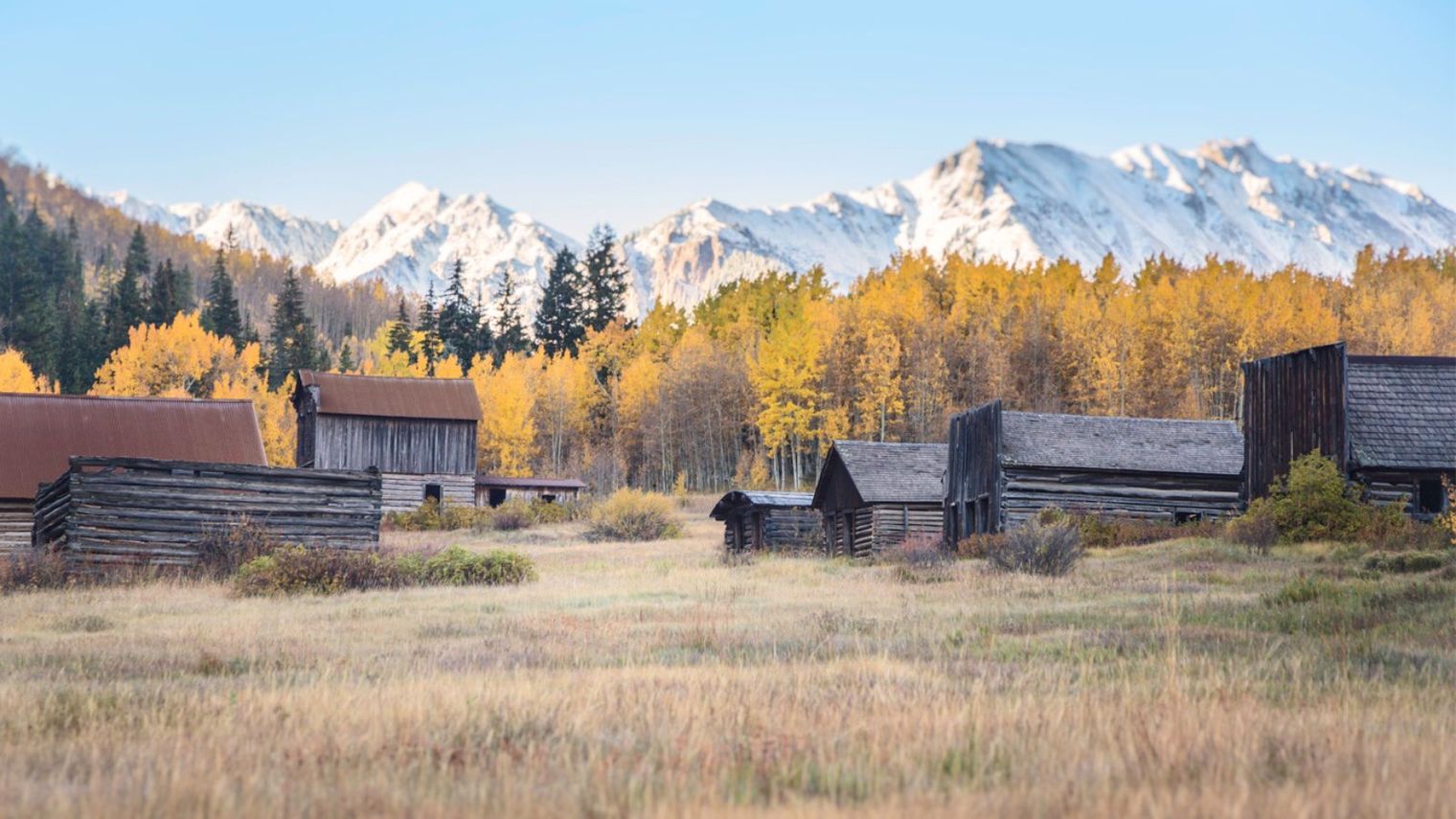
Colorado is home to more than 1,500 abandoned ghost towns, remnants of the state's Wild West era and mining boom. Many were deserted when silver and gold mines dried up or economic shifts forced populations to relocate. Some towns remain well-preserved tourist destinations, while others exist only as gravesites or notations on old maps.
Key points
- Colorado contains over 1,500 ghost towns scattered throughout the state. Many are inaccessible to the public, with some marked only on historical maps or reduced to overgrown cemeteries and gravestones.
- 19th century gold and silver rushes drove settlement across Colorado. Miners and their families established camps and towns hoping to strike it rich during "these glory days."
- Mine depletion forced entire populations to abandon their towns. When ore production declined, workers moved elsewhere to find employment, causing businesses to close and communities to empty.
- The 1893 repeal of the Sherman Silver Purchase Act accelerated abandonment. The legislation's repeal crashed the silver market, leaving many mining towns permanently deserted.
- Railroad construction redirected populations away from some settlements. When rail lines were built to nearby towns, populations shifted, transforming thriving communities into deserted locations.
- Accessible ghost towns now function as historical attractions and museums. Sites like St. Elmo and Independence remain well-preserved, allowing visitors to explore Colorado's frontier history while enjoying mountain scenery and "spooky adventure around Halloween time."
Summarized by MalakyeAI