


“High-stakes round of Jenga”: Deadly risk faced when removing logjams
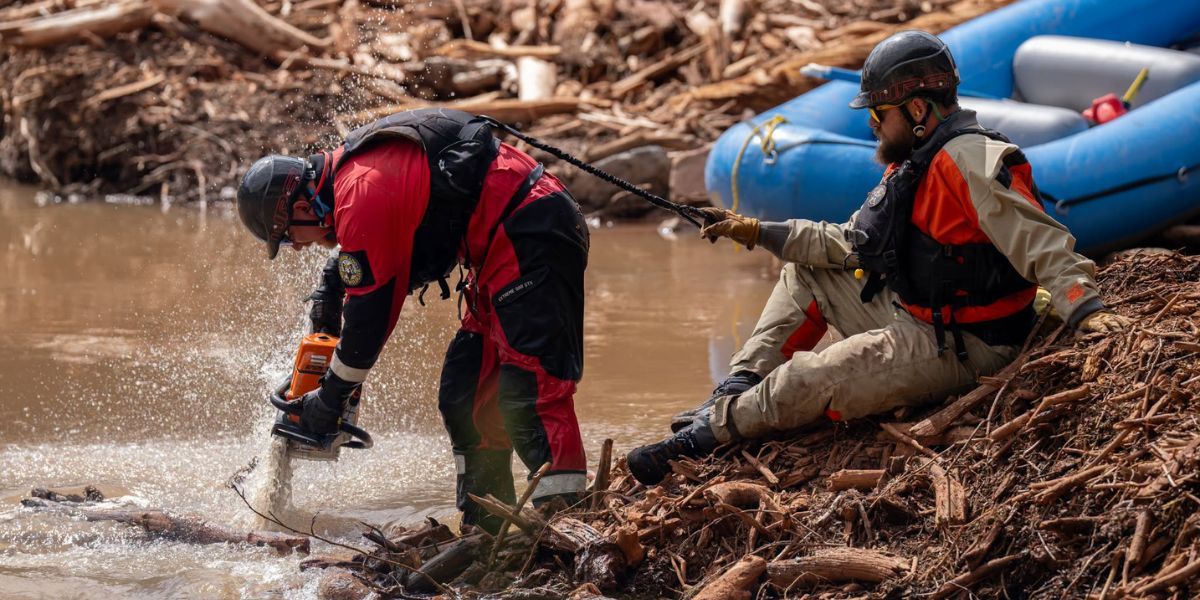
Logjams formed in Colorado's major rivers this summer, blocking water routes and creating life-threatening hazards for rafters and removal crews. The debris blockages trapped water flow while allowing currents to sweep people and boats underwater. Colorado Parks and Wildlife teams successfully cleared both the Colorado and Arkansas River jams through careful, methodical work.
Key points
- Logjams form when debris flow deposits trees and rocks into moving water. When debris accumulates and gets caught, additional material stacks on top, creating dangerous blockages that can span entire river channels.
- Recent Colorado River logjam blocked up to half the channel width. The Arkansas River jam stretched from bank to bank, forcing rafters to exit the water and walk around the obstruction on land.
- Logjams act as strainers, allowing water flow but trapping people underwater. Water can pass under and through the debris, but human bodies cannot, creating serious risk of drowning from the force of water flow.
- Removal crews face extreme danger when dismantling logjams piece by piece. According to Colorado Parks and Wildlife, "It's a high-stakes round of Jenga, only the pieces can weigh hundreds of pounds," with one misplaced removal potentially causing catastrophic collapse.
- Improper removal of a single piece can trigger sudden collapse. Even removing a small branch incorrectly could cause the entire pile to break apart at once, endangering staff and downstream communities.
- Colorado Parks and Wildlife successfully cleared both river jams through planning and safety measures. The Colorado River logjam was removed in early August, while the Arkansas River jam required crews to wait until water levels dropped before safely clearing a passage.
Summarized by MalakyeAI