


These Colorado roads come with a high risk of wildlife collisions
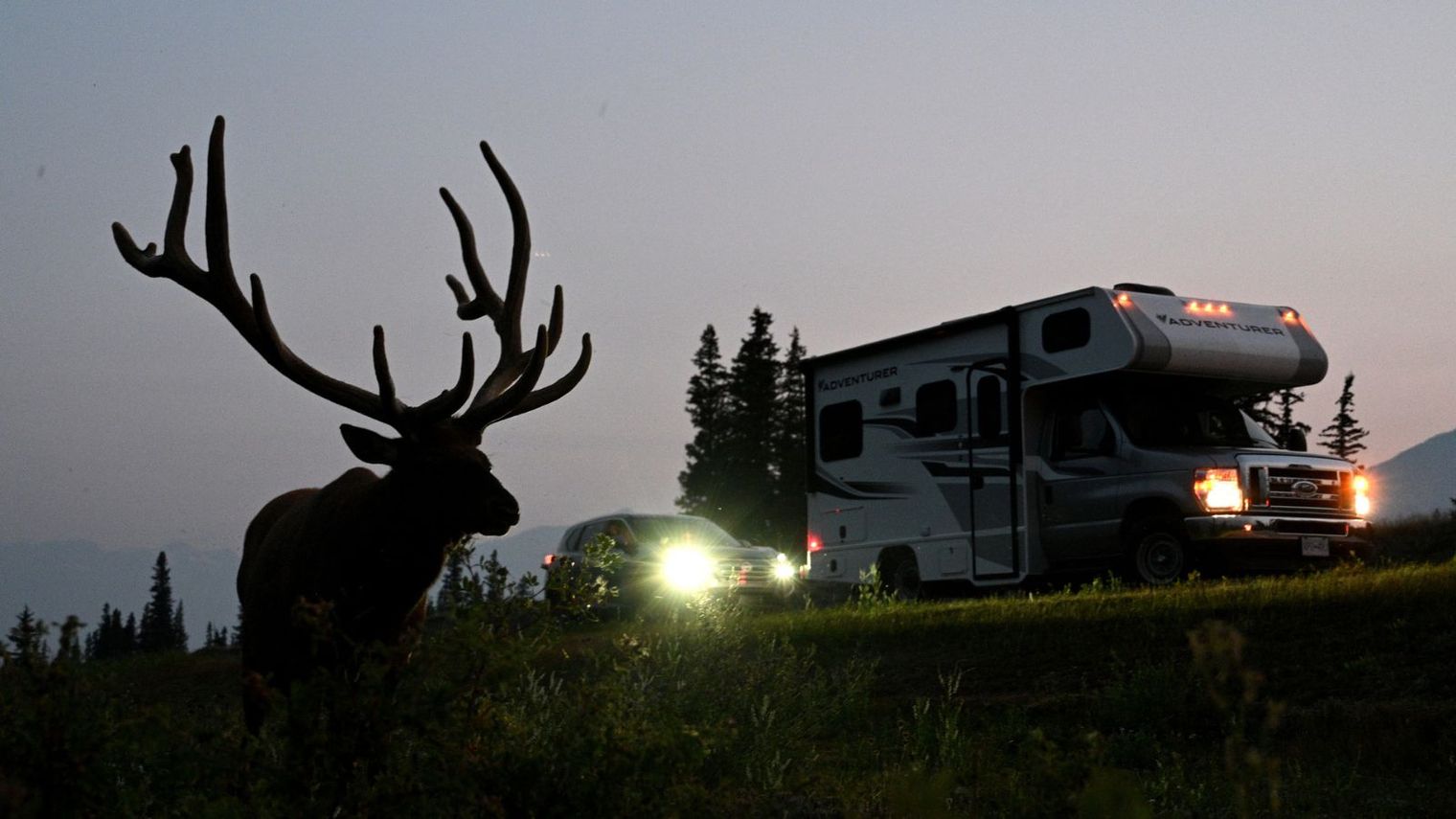
Fall migration and mating season are driving Colorado wildlife onto roadways at dangerous rates. Colorado State Patrol data reveals wildlife-related crashes have surged 70 percent over five years, climbing from 2,296 incidents in 2021 to 3,904 in 2025. October through December represents peak collision season as animals move to lower elevations ahead of winter.
Key points
- Wildlife collisions in Colorado have increased dramatically over the past five years. The state patrol investigated 3,904 wildlife-related crashes in 2025, compared to just 2,296 in 2021, representing a significant upward trend in incidents.
- October through December is the most dangerous time for wildlife encounters on roads. Animals migrate to lower elevations during fall and enter mating season, making them more likely to cross highways unpredictably during these months.
- White-tailed deer and elk cause the majority of wildlife collisions statewide. According to Col. Matthew C. Packard, chief of Colorado State Patrol, "white-tailed deer and elk are the most frequently struck wildlife" along with pronghorn, bear, and marmots.
- Several Colorado highways are identified as high-risk wildlife collision zones. Interstate 70 segments including Floyd Hill and Mt. Vernon Canyon, Highway 160 between Durango and Pagosa Springs, and Interstate 25 near Castle Rock rank among the most dangerous stretches.
- Attentiveness and speed compliance are the primary collision prevention methods. Drivers should obey posted speed limits and remain focused to avoid striking animals crossing roadways unexpectedly.
- Stopping on roadsides to view wildlife creates hazards for other travelers. Drivers should only pull off in designated legal areas; the state patrol warns that "stopping on the shoulder can pose a risk to fellow travelers."
Summarized by MalakyeAI