


The Survival of the Compact Camera
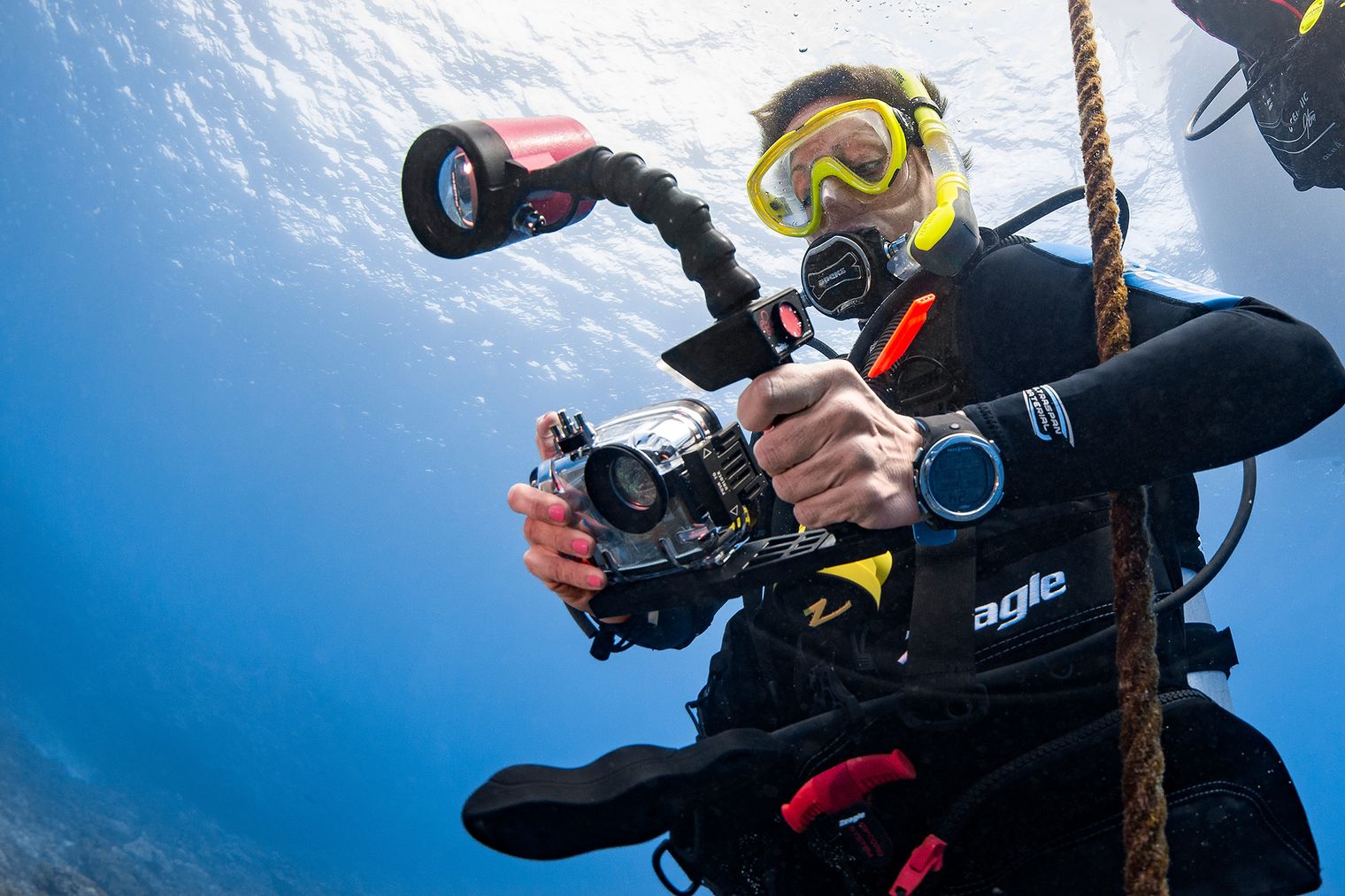
The compact camera market collapsed after smartphones emerged in 2007, plummeting from 100 million annual sales in 2010 to just 5% of that by 2020. Rather than disappearing entirely, compact cameras have undergone a transformation, with modern models now featuring advanced technology at premium prices. Today's high-end compacts are experiencing a modest resurgence among serious underwater photographers and divers seeking superior imaging quality.
Key points
- Compact cameras dominated photography during the early 2000s digital era. By 2010, over 100 million point-and-shoot cameras sold annually worldwide, with underwater housing manufacturers enabling divers to use them for diving photography.
- The iPhone's emergence in 2007 triggered the compact camera market's decline. Camera manufacturers initially dismissed the iPhone due to poor image quality, but within three years smartphone cameras matched compact quality, fundamentally changing consumer behavior.
- Smartphone adoption devastated compact camera sales by 2020. Annual compact camera sales dropped to approximately 5% of 2010 levels as consumers found smartphones sufficient for everyday photography needs.
- Camera manufacturers pivoted toward professional and enthusiast markets. Industry analysts predicted the shift by 2012, leading companies to emphasize DSLRs, mirrorless systems, and underwater smartphone housings for diving applications.
- Modern compact cameras differentiate through premium features and higher prices. Today's popular compacts cost between $500 and $1,500, with some exceeding $7,000, leveraging R&D investments to deliver large sensors, optical zoom, and superior resolution that smartphones cannot match.
- Compact cameras are now "making them stronger" according to industry analysis. High-end compacts create "an intentional shooting experience without distractions," providing underwater photographers a viable alternative between smartphone and interchangeable lens camera systems.
Summarized by MalakyeAI