


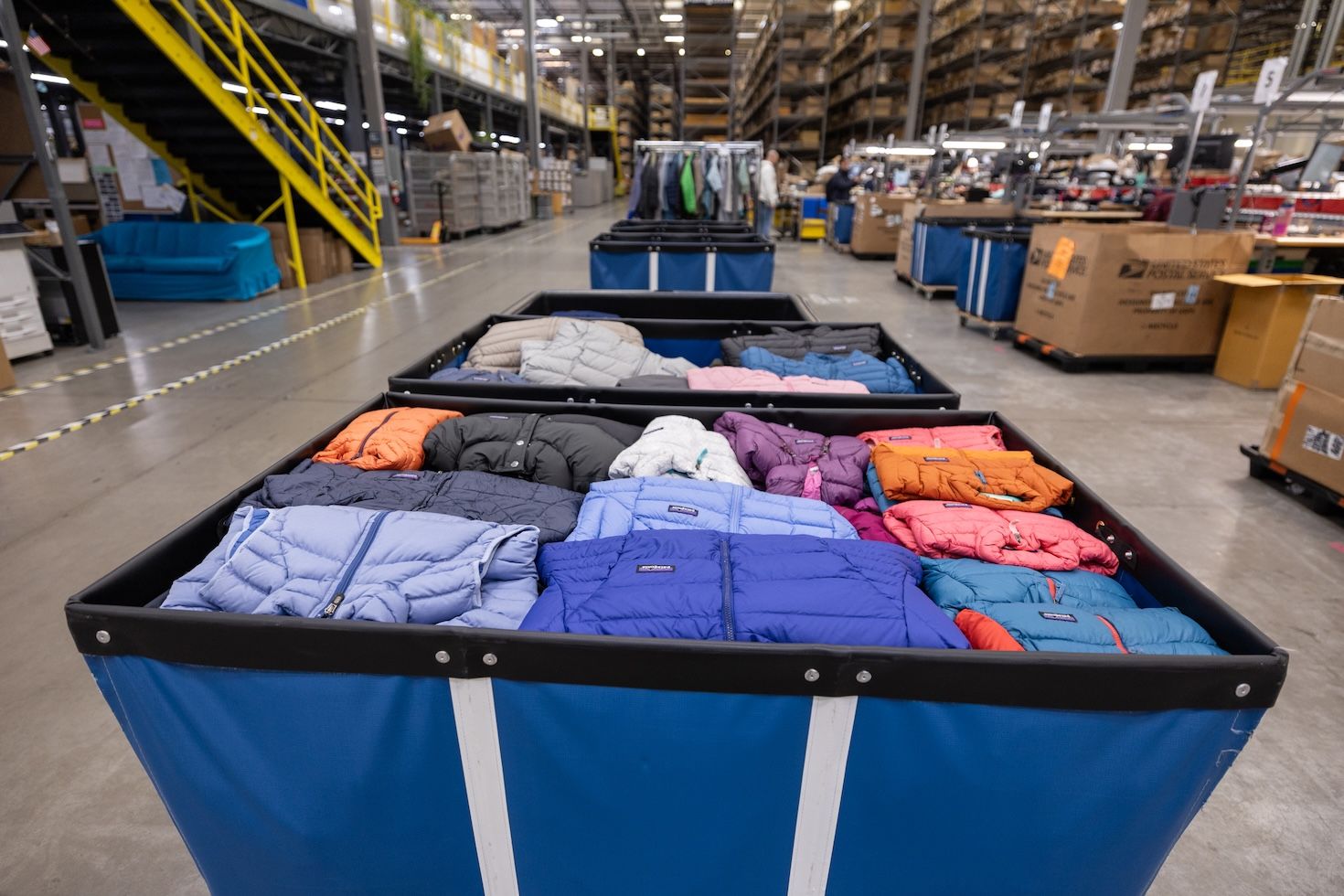
Patagonia has integrated its Worn Wear secondhand collection directly into its main e-commerce site, eliminating the separate platform that operated for nine years. The move allows customers to browse and purchase used and new apparel together from the same shopping cart. The outdoor retailer sold nearly 160,000 used items in fiscal 2026, generating $13 million in revenue.
Key points
- Patagonia merged Worn Wear into its primary e-commerce platform. Customers can now compare used and new clothing side-by-side and purchase both types from a single shopping cart.
- Both secondhand and new items receive the same warranty coverage. This parity encourages customers to view used apparel as a legitimate purchasing option alongside new inventory.
- Most fashion brands maintain separate sales channels for secondhand collections. According to Ken Pucker, a sustainability professor at Tufts University, "What Patagonia is doing is courageous" because most retailers fear cannibalizing new sales and struggle with pricing individual units.
- Patagonia processed approximately 230,000 pieces of clothing in 2025. About 80 percent of collected items can be resold after examination, cleaning, and repair at the company's Reno, Nevada facility.
- The integration required multiyear updates to Patagonia's technology systems. The company needed to accommodate unique stock-keeping units, track discontinued items, and create condition-based pricing rules across inventory, merchandising, and design teams.
- Secondhand initiatives help reduce Patagonia's greenhouse gas emissions. Sam Brown, head of resale at Patagonia, stated the goal is to "create a more normalized experience where the choices are more seamless" for customers prioritizing sustainability.
Summarized by MalakyeAI