


How an Olympic Nordic Skier Turned Apathy into Action
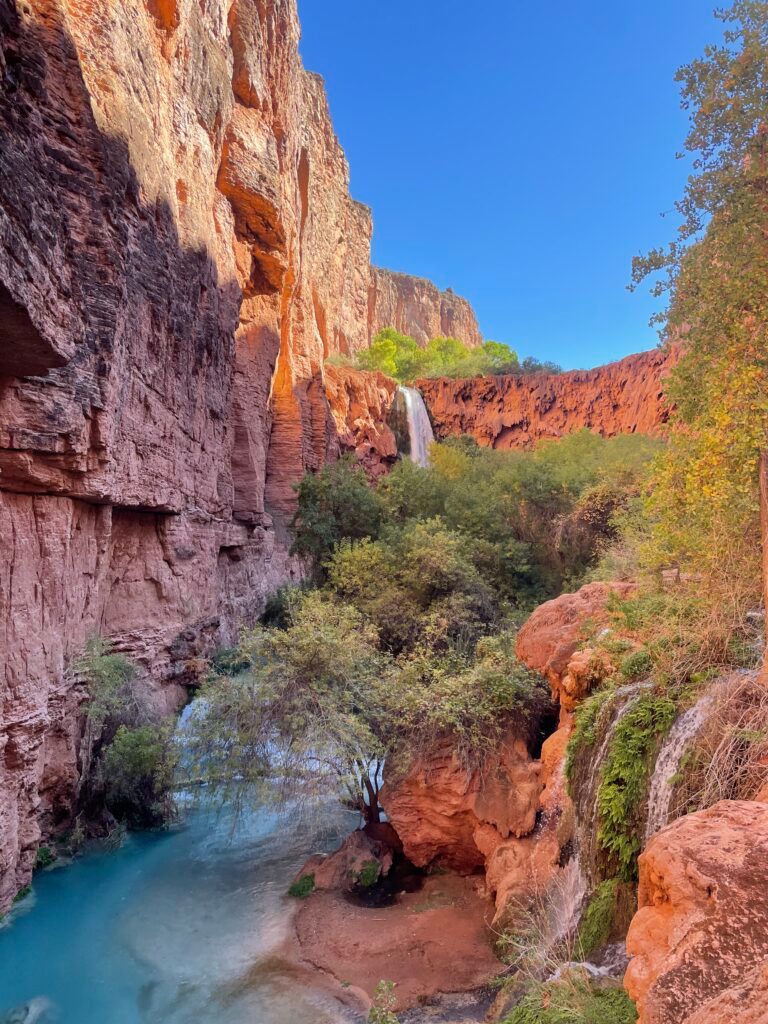
An Olympic Nordic skier responded to environmental policy rollbacks under the Trump administration by enrolling in a Master's program in Public Policy. After learning of Trump's election victory while returning from a backpacking trip, the athlete questioned whether he had done enough to protect public lands and environmental protections. He now advocates for turning frustration into action through various means, including voting and community engagement.
Key points
- Olympic skier discovered Trump's election victory three days after it occurred. Returning from an Arizona backpacking trip with no cell service, he found headlines announcing the outcome upon rejoining civilization.
- Environmental policy rollbacks prompted deep personal reflection about inadequate activism. The athlete had canvassed voters in Montana and called swing state residents, but questioned whether he "really did everything that I could" after the election results.
- Previous environmental advocacy experience informed his decision to pursue further education. Through work with Protect Our Winters, he gained exposure to policy lobbying in Washington D.C. and grassroots organizing around climate issues.
- Master's degree in Public Policy became his chosen response to political adversity. Within minutes of regaining cell service after the election, he decided to return to school to become a more effective advocate for environmental protection.
- He emphasizes that returning to school represents only one form of meaningful action. Other effective approaches include calling elected representatives, volunteering for campaigns, attending public meetings, or voting in upcoming elections.
- The midterm elections present a critical opportunity for outdoor enthusiasts to influence policy outcomes. With "180+ million outdoor enthusiasts," the Outdoor State's voting power can shape decisions about public lands and environmental protection.
Summarized by MalakyeAI