


New Legislation Aims to Restore EPA’s Core Mission
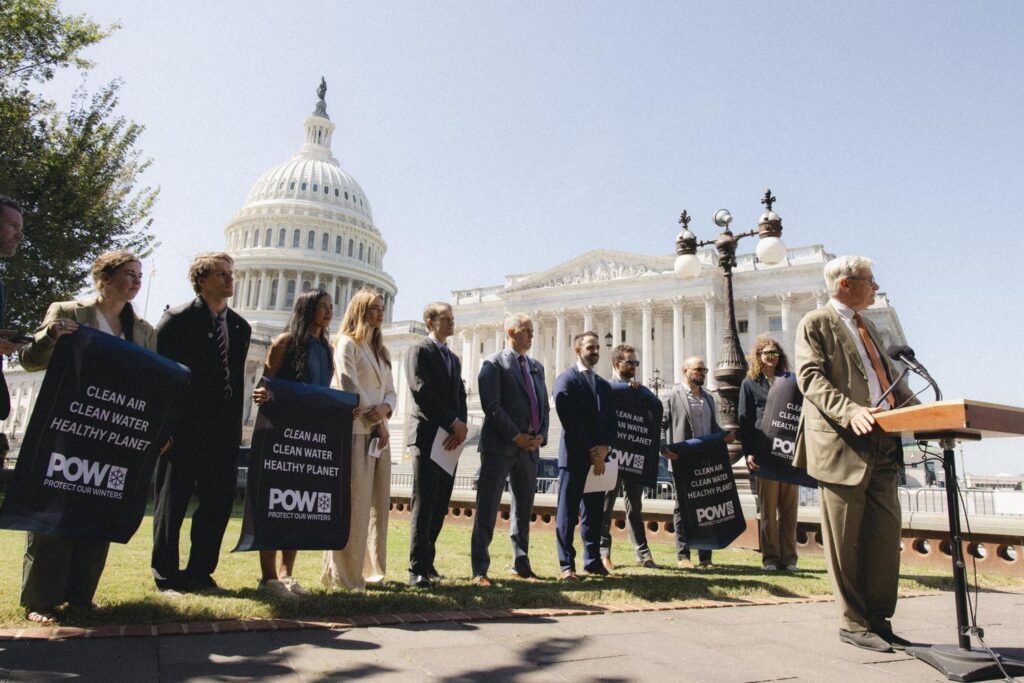
Congress introduced the Environmental Health Restoration Act on September 16, aimed at restoring the EPA's authority to protect public health and enforce environmental safeguards. The legislation responds to recent federal actions that have gutted clean air, water, and climate protections. A broad coalition of athletes, scientists, businesses, and outdoor organizations backed the bill's introduction.
Key points
- Congress introduced the Environmental Health Restoration Act to restore EPA protections. The bill targets reversals in federal environmental policy that have weakened the agency's enforcement authority over recent years.
- The EHRA reinforces science-based safeguards for clean air and water. The legislation aims to make environmental protections more durable across changing administrations, preventing repeated rollbacks.
- Sen. Sheldon Whitehouse criticized the Trump EPA for abandoning public health duties. He stated the agency's "relentless attacks on science have delivered for big political donors while poisoning our air and water."
- Pollution impacts extend across state lines and multiple industries. Wildfire smoke, air pollution, and contaminated waterways affect outdoor recreation, tourism, agriculture, hunting, and fishing economies nationwide.
- A coalition of outdoor athletes and organizations endorsed the legislation. Participants included three-time Olympian Tommy Ford, who noted "I've seen less and less snow, glaciers shrinking" and called for stronger EPA protections.
- Passage is realistically expected after 2029, not immediately. Advocates plan to build congressional and stakeholder support gradually, turning coalition momentum into organizing power for the next Congress.
Summarized by MalakyeAI