


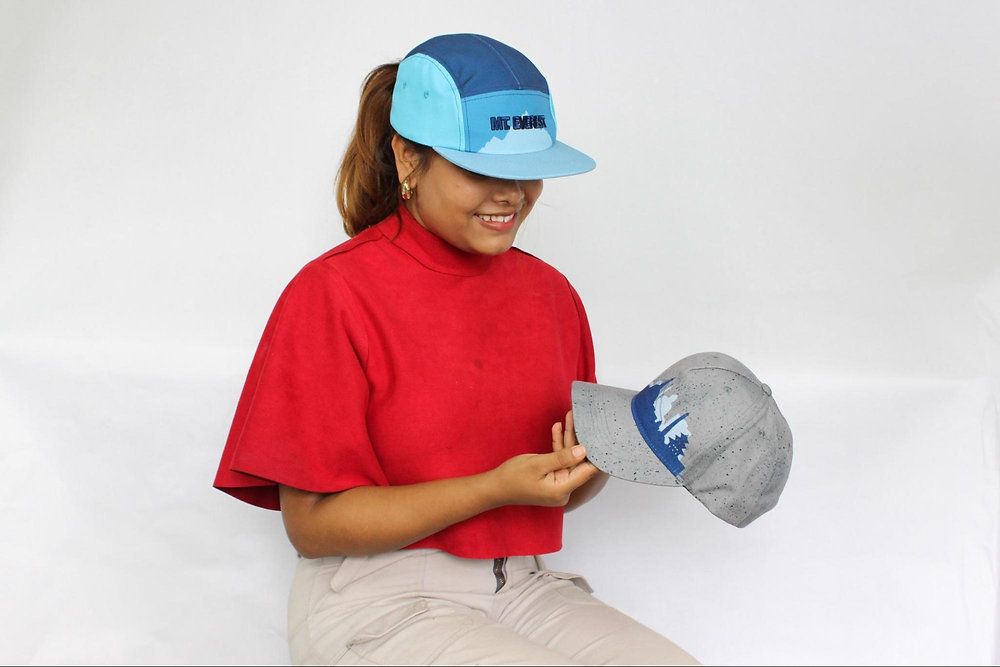
Brands, organizations, and communities customize caps through embroidery, printing, patches, and fabric choices to express identity and build recognition. The customization approach depends on design requirements, budget, and desired visual impact. Each technique offers distinct advantages for different branding goals and production considerations.
Key points
- Embroidery remains the most widely used cap customization technique. Standard embroidery sits flat for logos and detailed designs, while 3D Full Puff embroidery uses foam layers to create dimensional effects ideal for bold logos that need "strong visibility."
- 3D embroidery works best with simple, thick shapes rather than intricate details. Fine details may not translate clearly with this method, so designers should use thicker lettering and consistent font widths for clean finishes.
- Patches offer textured alternatives to direct embroidery with multiple options. Sublimation patches provide full-color detail, leather patches offer natural texture for heritage brands, and embroidered patches combine durability with flexibility across multiple products.
- Fabric selection influences both appearance and customization method effectiveness. Cotton provides breathability for everyday wear, polyester offers moisture resistance for activewear, canvas delivers structure and durability, and recycled fabrics appeal to sustainability-focused brands.
- Thread color choices significantly impact design visibility and production costs. Contrasting colors increase visibility while tonal embroidery creates subtle effects, and designers often refine thread selections and stitch density during the sampling phase.
- Labels and finishing details contribute substantially to brand perception and product quality. Options include taffeta labels, custom printed labels, woven labels, and custom seam taping, each reinforcing brand identity through distinct textures and visual presentations.
Summarized by MalakyeAI