


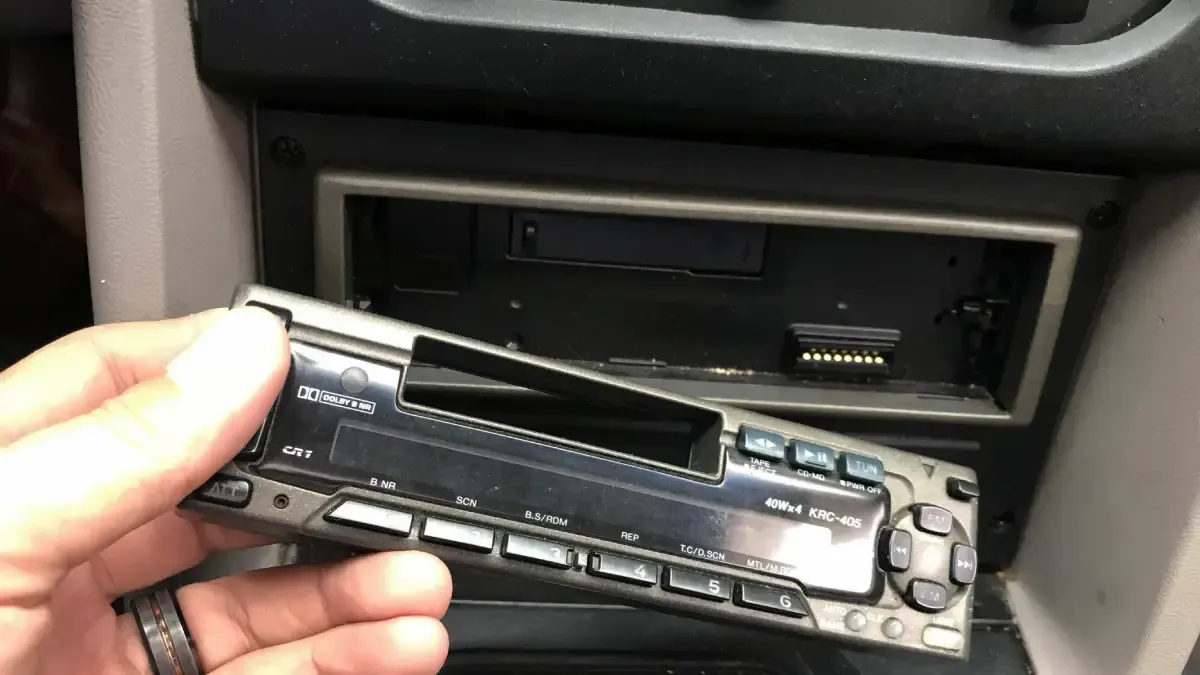
Road trips and daily commutes in the 1990s relied on a collection of practical analog tools and manual entertainment gadgets that seem primitive by today's standards. Before smartphones, GPS, and integrated technology became standard, families packed their cars with physical essentials like paper atlases, cassette adapters, and CD binders. These nostalgic cabin staples defined how families navigated, entertained themselves, and traveled together during the decade.
Key points
- Paper atlases served as the primary navigation tool for long road trips. Co-pilots manually traced routes page by page using Rand McNally or AAA maps stored under the passenger seat, tracking exit numbers in dim lighting.
- Cassette adapters allowed portable CD players to connect to car stereos. The device featured a dummy tape inserted into the dashboard deck with a thin wire plugged into a portable player's headphone jack for digital music playback.
- CD binders stored entire music collections in heavy nylon or leatherette cases. Drivers and passengers flipped through plastic sleeves packed with dozens of compact discs that frequently scratched when hitting bumps on the road.
- Manual window cranks required physical effort to operate in entry-level vehicles. "Kids in the backseat frequently fought over who had to hand-crank their window down during hot summer drives" before power windows became standard.
- Coin slots in center consoles held change for tolls and parking meters. Drivers kept quarters, dimes, and nickels neatly stacked in dedicated spring-loaded plastic slots to pay highway tolls without digging through pockets.
- Emergency breakdown kits in trunks contained jumper cables, tire gauges, and road flares. Drivers relied on these self-service tools to handle flat tires or dead batteries on highway shoulders long before calling roadside assistance.
Summarized by MalakyeAI