


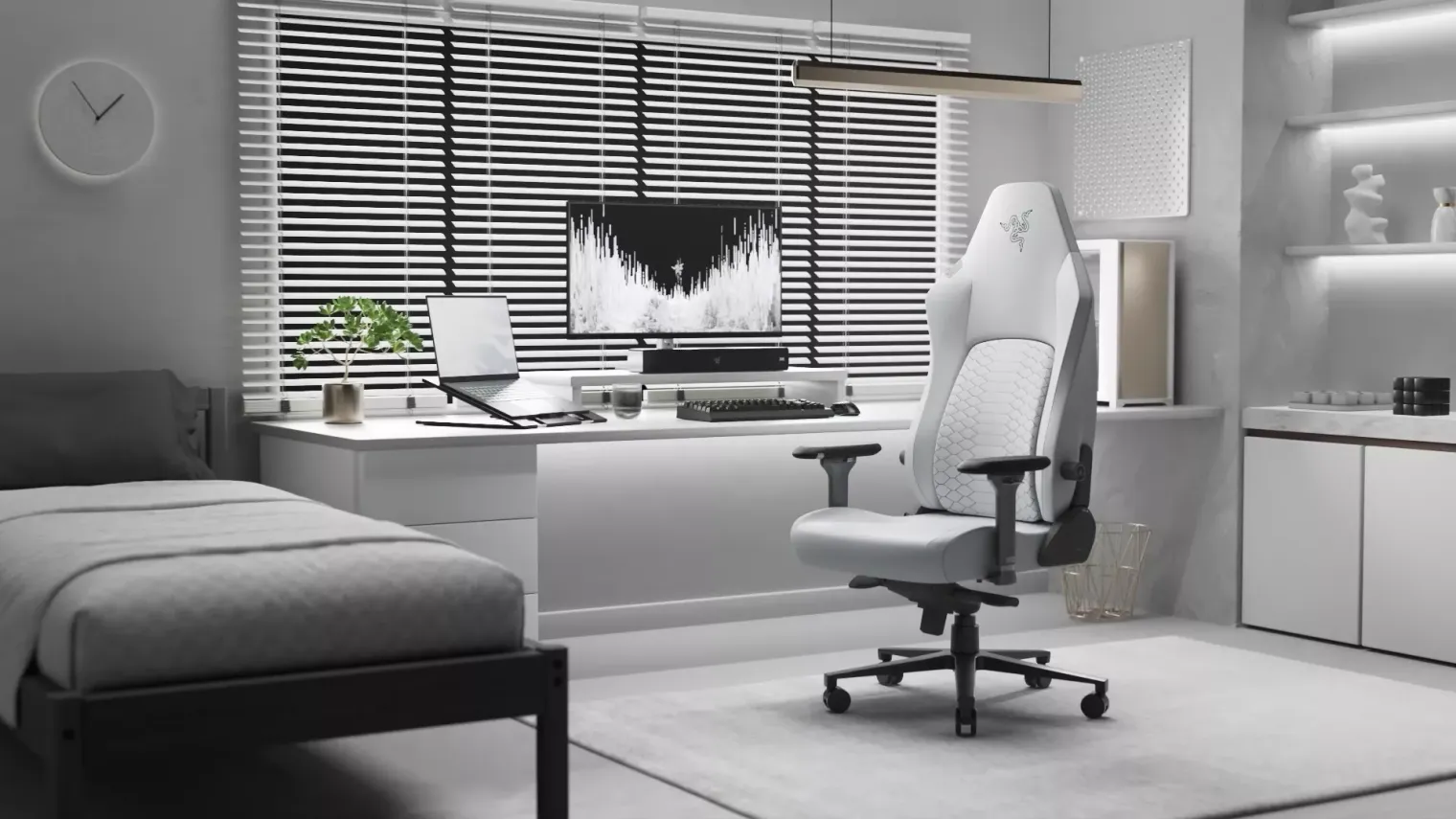
Whether you're returning to the office or settling into a new work routine, productivity depends on more than time management. Physical discomfort from poor seating undermines focus as small aches accumulate throughout the workday. Investing in an ergonomic chair designed for extended use can significantly improve both comfort and concentration.
Key points
- Small physical discomforts gradually interrupt focus during work sessions. Research in occupational ergonomics shows that prolonged sitting in poorly supported positions causes higher rates of musculoskeletal discomfort among office workers, creating cognitive distractions.
- Static upright posture all day increases muscle fatigue and neck pain. Rather than fighting natural body movement, effective chairs should accommodate how bodies actually shift positions throughout extended work periods.
- Adaptive lumbar support systems provide comfort across multiple sitting positions. "Providing support across a range of sitting positions instead of encouraging you to stay fixed in one" helps reduce strain on the lower back during long workdays.
- Arm positioning requires as much attention as back support. Elbows should remain at roughly 90 degrees close to the body while shoulders stay relaxed, minimizing unnecessary loading on shoulder and upper back muscles.
- Adjustable armrests allow workers to align support with their desk setup. Four-directional adjustable armrests enable proper elbow and wrist support so forearms reach keyboards and mice comfortably without forcing postural compensation.
- Ergonomic workspace design extends beyond software solutions. "It's also about the parts of your workspace you hardly think about, until something starts hurting," including monitor height, chair adjustment, and movement breaks that sustain productivity.
Summarized by MalakyeAI