


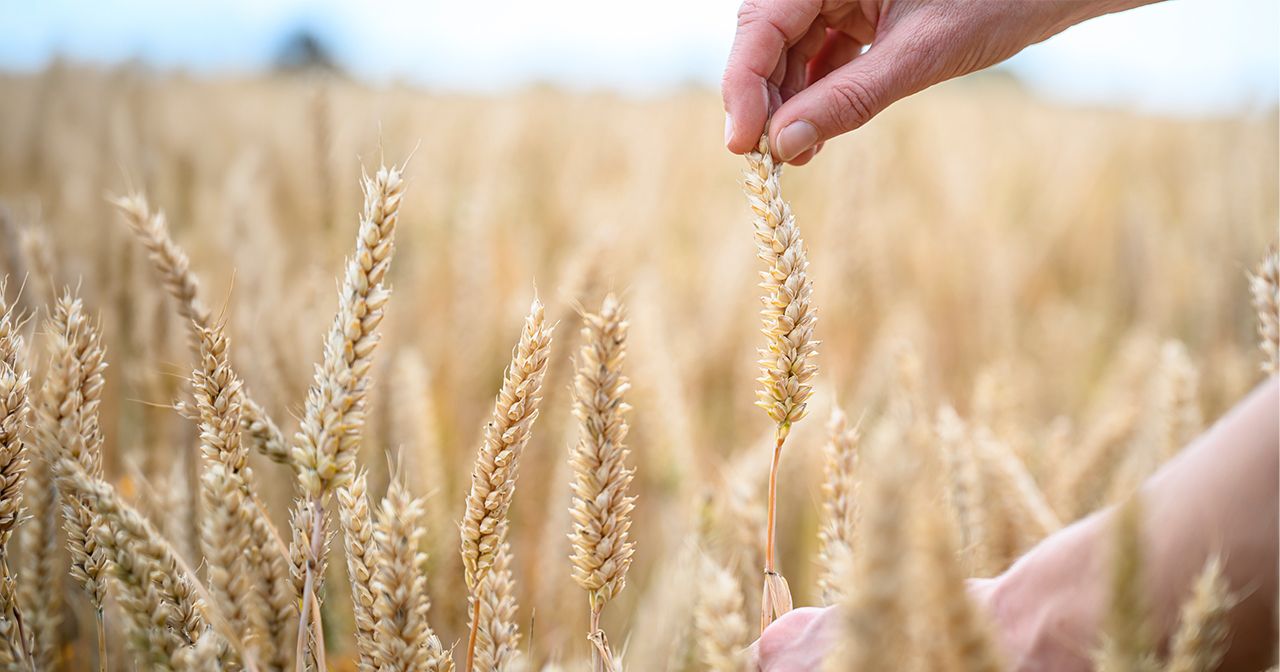
The grain offering in biblical tradition reveals a theological principle about recognizing God's role in human success. Ancient Israelites brought fine flour, oil, and frankincense as offerings, acknowledging that their harvests resulted from divine blessing rather than personal achievement alone. This practice invites modern reflection on whether accomplishments are earned or divinely provided.
Key points
- The grain offering required fine flour, oil, and frankincense as prescribed materials. According to Leviticus 2:1, these components formed the specific elements God commanded the Israelites to bring before Him.
- Grain represented Israel's dependence on God for their survival and prosperity. By offering the fruit of their labor, farmers recognized that God controlled their destiny and provided everything they needed.
- Agricultural success depended on multiple factors beyond human control. Good soil, proper seeds, water, nourishment, weed management, and protection from storms all contributed to the final harvest.
- Farmers could have kept their harvest but chose to return a portion to God. This voluntary offering demonstrated their gratitude and acknowledgment that "their harvest was a byproduct of God's blessing."
- The grain offering applies to modern work and accomplishments beyond farming. Education, training, experience, and labor—whether in any vocation—ultimately depend on God-given ability and opportunity that merit gratitude.
- Modern equivalents of grain offerings include dedicating time, expertise, or resources to Kingdom purposes. Whether through financial giving or service, acknowledging that success "ultimately traces back to God's blessing" honors the principle the ancient offering conveyed.
Summarized by MalakyeAI