


Beekeeping: Harvesting for summer, preparing for winter
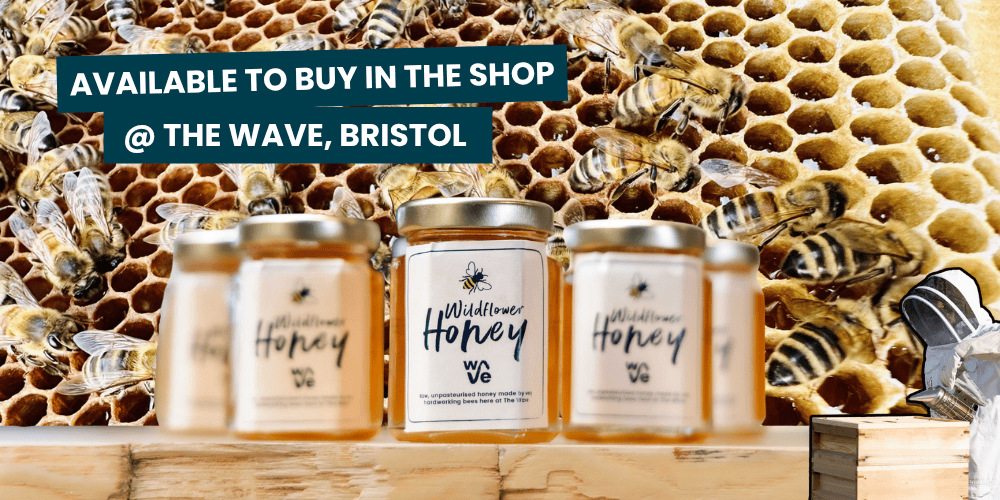
August marks peak honey harvest season for beekeepers, who carefully extract surplus honey while prioritizing colony health. Beyond the visible harvest, beekeepers simultaneously begin critical winter preparation work, including disease management and colony assessments. This dual focus ensures bees have adequate stores and strength to survive cold months ahead.
Key points
- August honey harvest involves removing frames and processing raw honey through sieves. The extracted honey retains its natural character, reflecting "the fingerprint of the place where it was produced."
- Beekeepers only harvest genuine surplus honey, never what colonies need for survival. The principle guiding this practice is simple: "the bees come first."
- Each honey batch tells the story of the surrounding landscape and available flowers. Throughout summer, bees forage across hedgerows and countryside, collecting nectar from abundant blooms.
- Winter preparation begins immediately after surplus honey removal in August. Beekeepers assess food stores, check colony strength, evaluate queen performance, and implement Varroa control treatments.
- Summer bees gradually die and are replaced by longer-lived winter bees. These winter bees form the core population that sustains colonies through colder months.
- Beekeeping requires year-round commitment spanning twelve months of care and management. From spring buildup through harvest, disease management, and winter preparation, consistent attention ensures colonies thrive seasonally.
Summarized by MalakyeAI