


The Best Trade Show Booth Activations to Drive Real Attendee Engagement
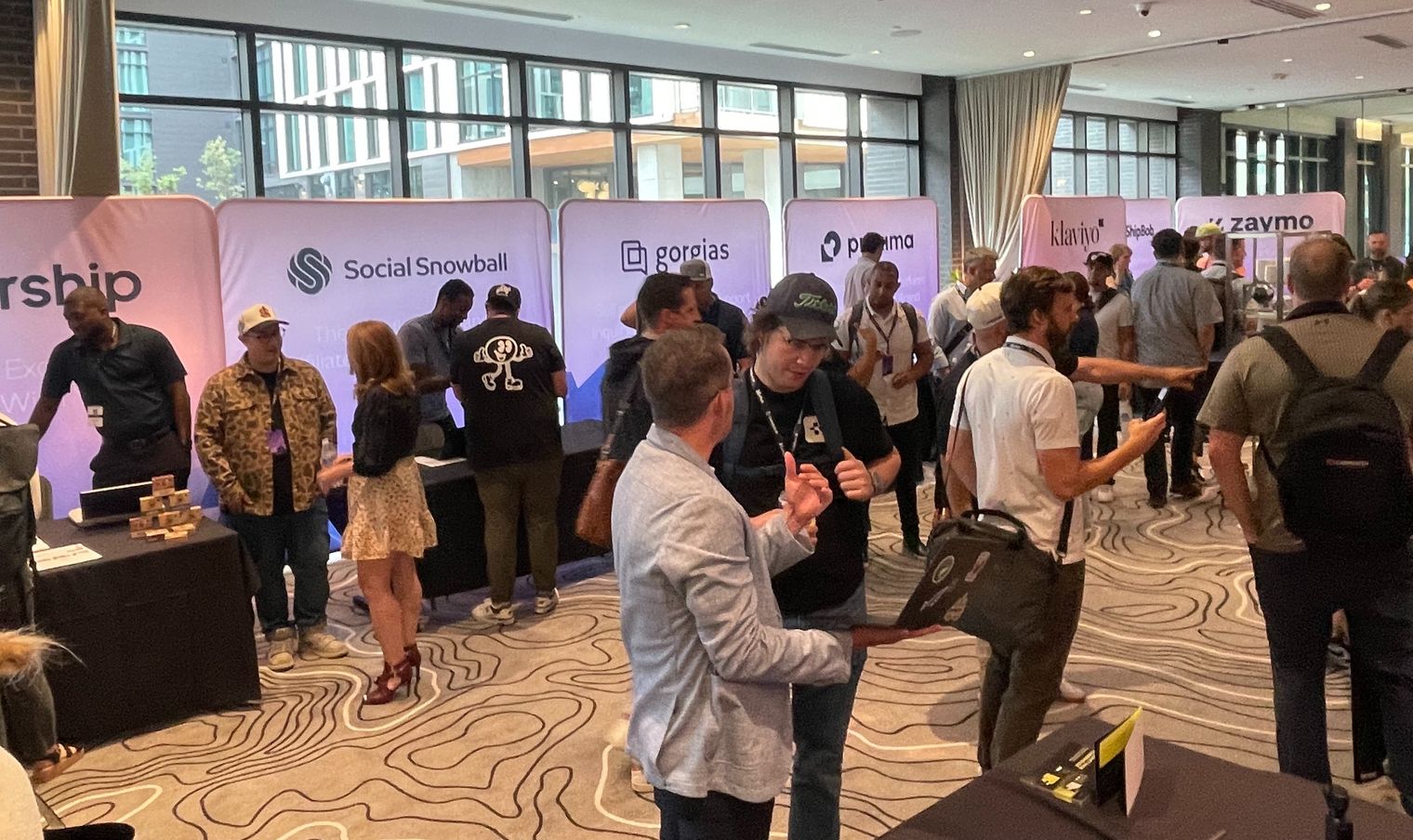
Trade shows increasingly rely on booth activations to drive attendee engagement, as passive displays with candy bowls and crossed-armed representatives fail to capture attention. Successful activations work by triggering curiosity, reciprocity, or social proof—mechanisms that interrupt attendees' predetermined schedules and create memorable experiences. The difference between a crowded booth and an empty one rarely depends on budget but rather on giving attendees reasons to stop, stay, and remember the interaction.
Key points
- Scheduled live demonstrations create appointment-based traffic through social proof and scarcity. Keep demos to 5–7 minutes, post schedules visibly, and use a dedicated demo zone at standing height so attendees can gather without blocking the aisle.
- Hands-on interactive stations increase attendee connection through physical engagement. Instructions should be on the counter with reps positioned nearby to answer questions, and contact information capture should feel natural rather than forced.
- Digital experiences like touchscreens and configurators invite engagement without requiring sales conversations. Keep interactions under 90 seconds, make the first action obvious, and mount screens into booth structure rather than on tables.
- Assessment tools and quizzes drive self-interest engagement with immediate results. Ask five to seven questions maximum, deliver on-screen results immediately, and provide detailed versions by email for lead qualification.
- Strategy sessions with experts create genuine value exchange for qualified conversations. "Advertise clearly," pre-book slots through outreach, and provide semi-private seating so discussions can go deeper than standing chats.
- Photo backdrops with strong concepts generate social amplification and attendee content. Avoid step-and-repeat logos; instead create oversized product versions, unusual props, or themed sets with legible branding and prominent hashtags.
Summarized by MalakyeAI