


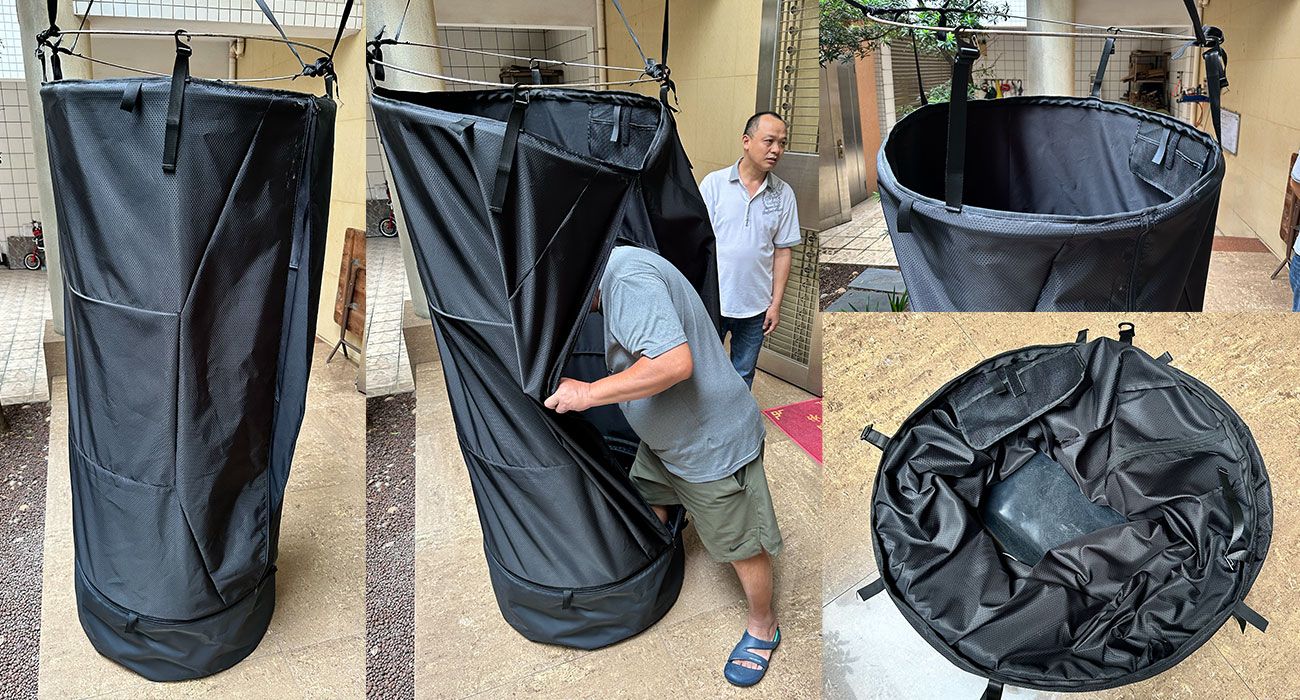
A soft goods feasibility phase establishes whether a proposed product approach is practical within agreed requirements and constraints. The phase produces focused evidence addressing key technical uncertainties, compares credible design architectures, and delivers a justified recommendation for proceeding, revising, investigating further, or pausing. Deliverables include a clear problem statement, material and construction direction, manufacturing considerations, and an explicit record of remaining questions.
Key points
- A feasibility phase must define the problem and success criteria before evaluating solutions. The brief should identify the intended user, essential functions, variables the team can explore, and evidence needed to judge the next step, separating requirements from assumptions and preferences.
- Multiple credible product architectures should be compared rather than accepting the initial concept uncritically. Annotated sketches, simple models, or cross-sections explain load paths, attachments, and user access, making the recommended direction understandable and explaining why alternatives were set aside.
- Physical investigations should address the highest-priority uncertainties with focused experiments. These may include fit mock-ups, seam samples, foam-and-cover assemblies, or attachment trials, with each investigation documenting the question examined, setup used, observations, limitations, and the decision it supports.
- Candidate materials and construction methods must be identified with documented reasons for consideration. Material behavior depends on assembly context; "a fabric that feels soft as a swatch may behave differently when tensioned over foam or sewn into a curved panel."
- Early manufacturing review should investigate constraints most likely to change the design, including assembly access, layer thickness, and supplier capabilities. Cost guidance should identify assumptions and likely drivers rather than providing firm pricing without developed specifications.
- The final deliverable must clearly separate findings from open questions and recommend whether to proceed, revise, investigate further, or pause. The recommendation should identify the next scope, deliverables, responsibilities, and planning assumptions, noting that "a complete tech pack is not automatically a feasibility deliverable."
Summarized by MalakyeAI