


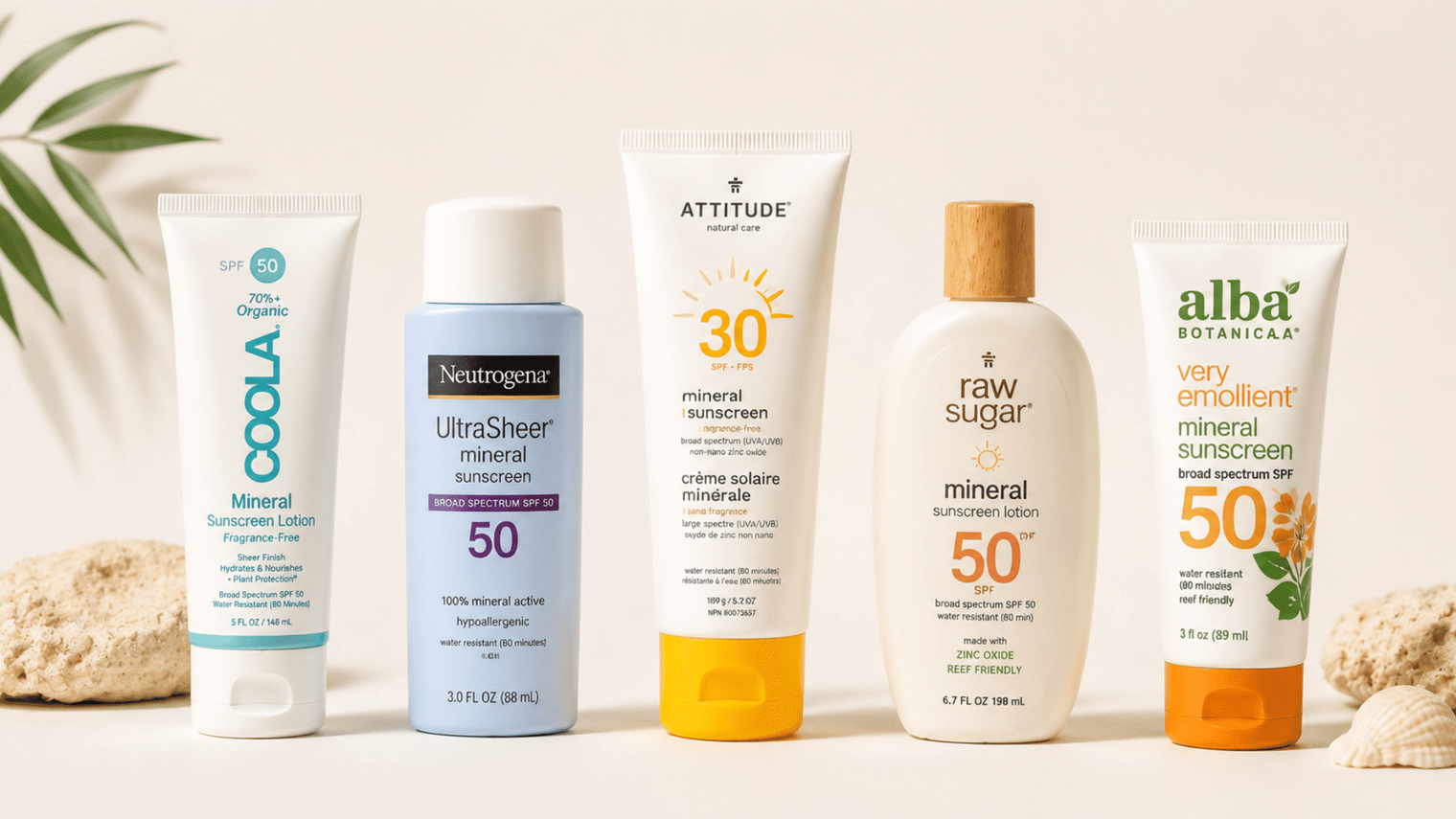
Many reef-safe sunscreen brands claim environmental benefits, but not all deliver equally on those promises. The article examines ten brands that prioritize ocean health while protecting skin, revealing which genuinely prioritize ingredient safety over marketing claims. Understanding the actual ingredients matters more than label language alone.
Key points
- Chemical sunscreen filters raise specific environmental concerns. Oxybenzone and octinoxate are restricted in some destinations due to potential coral stress, while octocrylene and other filters have been detected in marine environments with effects still being studied.
- Reef-safe labeling lacks universal standards across brands. Terms like "reef safe," "reef friendly," and "ocean friendly" are commonly used without one consistent definition, making it difficult for shoppers to compare products fairly.
- Stream2Sea distinguishes itself through science-led development. The company was founded by a marine biologist and centers aquatic testing in product development, offering a research-based approach to reef protection.
- Mineral sunscreen ingredients like zinc oxide offer advantages. These formulations are generally less irritating and often recommended for sensitive skin, though some newer versions address the traditional white cast issue.
- Proper sunscreen application requires reapplication after water exposure. Users should reapply every two hours or immediately after swimming, sweating, or towel drying, even with water-resistant formulas.
- Additional sun protection strategies complement reef-safe sunscreen use. Wearing UPF clothing, wide-brimmed hats, UV-protective sunglasses, and seeking shade reduces reliance on sunscreen alone while protecting skin and marine ecosystems.
Summarized by MalakyeAI