


45 mph Electric Bike: What Speed Claims Actually Mean
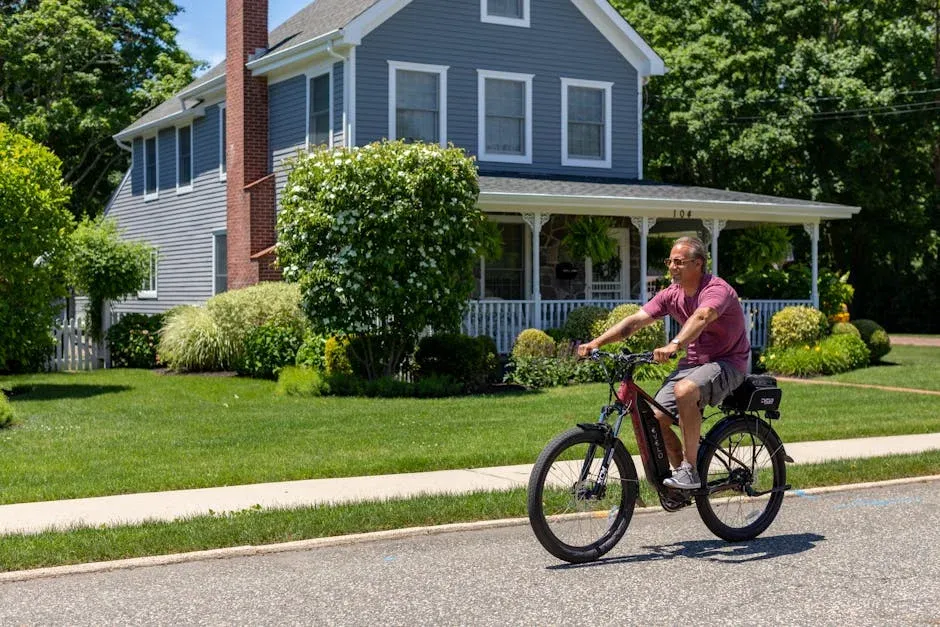
Electric bikes marketed with "45 mph" speed claims often deliver far different real-world performance depending on motor architecture, battery capacity, and regulatory classification. The gap between marketing language and mechanical capability creates confusion for buyers evaluating high-speed platforms. Understanding motor specs, weight penalties, and legal restrictions is essential before purchase.
Key points
- Federal regulation caps Class 3 e-bikes at 28 mph with pedal assist. Any bike exceeding that threshold falls outside standard e-bike classification and may be subject to moped or motorcycle regulations depending on state law.
- Peak wattage numbers are marketing anchors, not sustained operational specs. A "6000W peak" system typically sustains that power draw for only a few seconds, while continuous rated wattage—often buried in fine print—governs actual ride performance.
- Dual-motor configurations add significant weight that degrades handling. Two controllers, two motors, and oversized battery packs create mechanical complexity that impacts switchback performance and technical descents, even when raw acceleration numbers appear strong.
- Real-world range typically reaches 40 to 60 percent of manufacturer claims. "The 90-mile range claim follows standard manufacturer testing methodology, meaning flat pavement, moderate assist, controlled temperature, and a lighter test rider."
- Fat tires provide traction benefits but increase rolling resistance on pavement. Four-inch or wider tires add rotational mass and require more motor output to maintain speed on paved surfaces, though this trade-off is manageable on high-powered platforms.
- Unbranded high-power platforms lack established dealer networks and repair infrastructure. Post-purchase support challenges and controller connectivity issues represent common failure points requiring direct manufacturer communication across time zones.
Summarized by MalakyeAI