


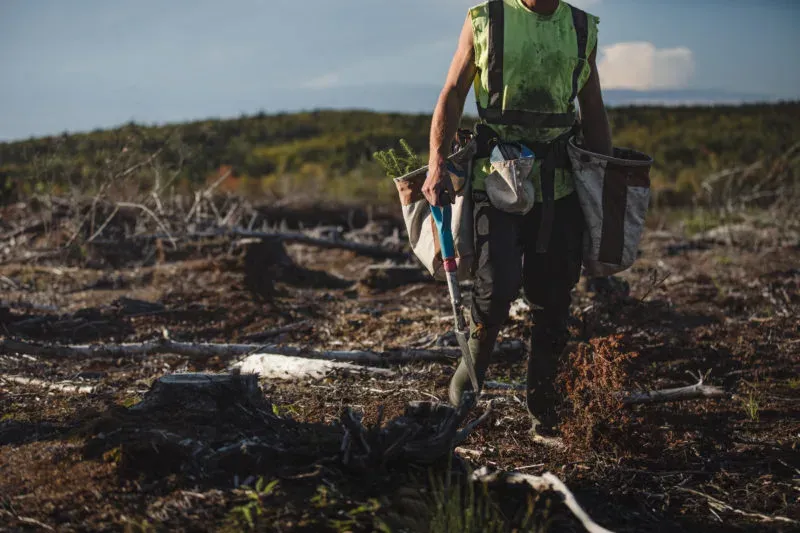
Wildfires are increasing in intensity and frequency due to climate change, destroying forests' natural recovery systems. Post-wildfire reforestation addresses this by planting native, fire-resilient species to accelerate ecosystem recovery across North America. Strategic reforestation can reduce future fire risk by up to 50% and speed forest recovery by over 50%.
Key points
- Climate change is intensifying wildfire seasons globally, overwhelming natural forest recovery. Hotter, longer fire seasons damage soil and seed sources, preventing many tree species from regrowing naturally.
- Post-wildfire reforestation plants native fire-resilient species to restore damaged ecosystems. These efforts help "rebuild habitats, restoring biodiversity, and creating more resilient forests for the future."
- Reforestation provides multiple ecological and community benefits simultaneously. Projects prevent soil erosion, improve water quality, restore wildlife habitat, sequester carbon, create local jobs, and reduce future fire severity.
- Strategic species selection significantly improves forest outcomes after fire. Planting the right trees can increase forest carbon storage by 70% within 10 years and accelerate ecosystem recovery by over 50%.
- Multiple reforestation projects span Canadian and American wildfire regions. Sites include Bulkley Nechako and Williams Lake in British Columbia, the Sierra Nevada in California, and Klamath Falls in Oregon, with projects tailored to local ecosystems and communities.
- Consumer purchases directly support wildfire restoration efforts. Every item sold plants 10 trees, with many going toward fire-damaged areas, and over 110 million trees have been planted to date through restoration initiatives.
Summarized by MalakyeAI