


Bug Highway: The Hidden Paths Used by Insects
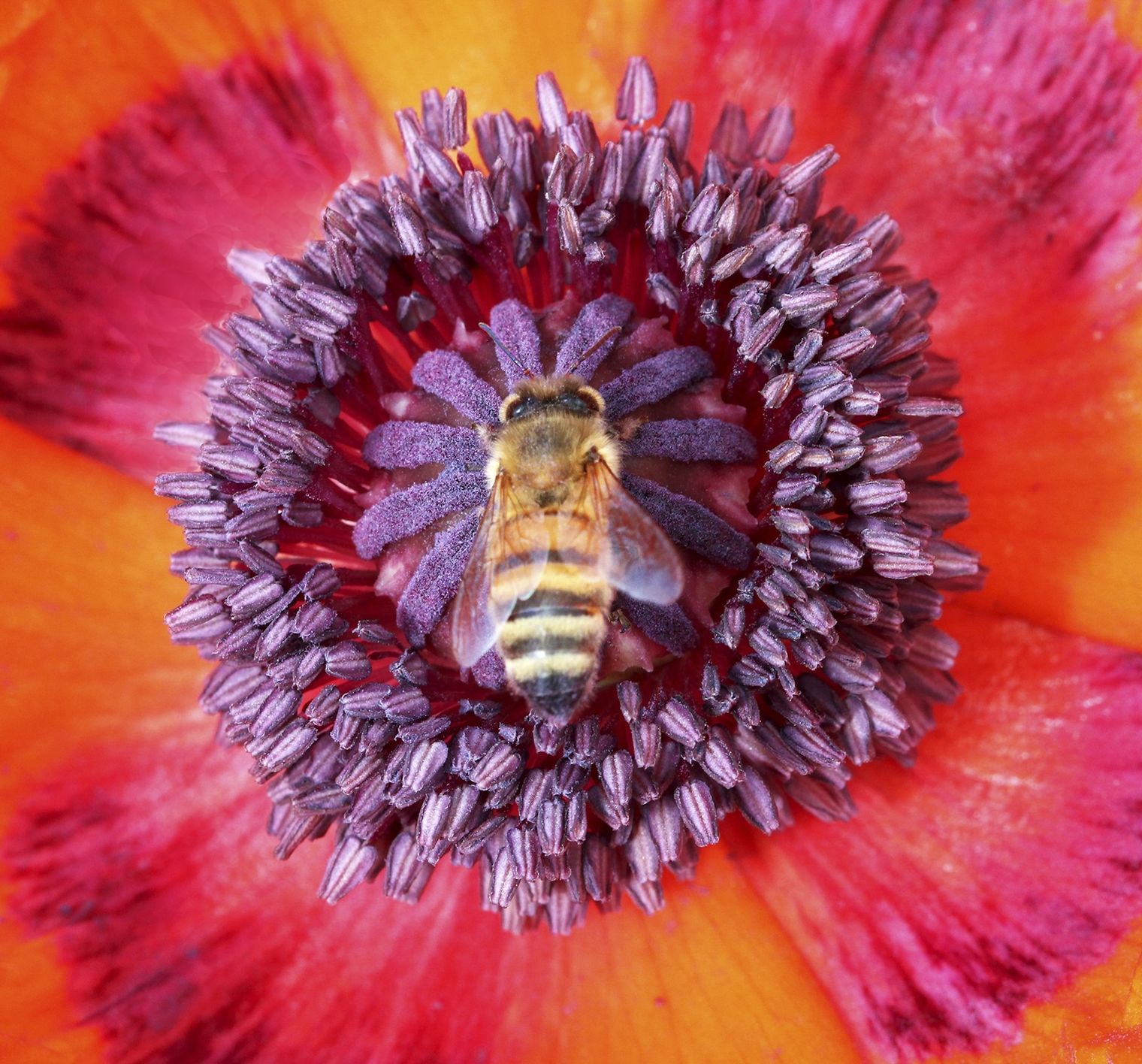
Scientists are uncovering extensive networks of unmapped pathways that insects use to navigate urban and rural landscapes. These "bug highways" connect vegetation across cities, enabling crucial movement for pollinating species and other insects vital to ecosystems. Understanding these routes is essential for conservation efforts in increasingly developed areas.
Key points
- Insects rely on hidden networks connecting urban vegetation for survival. These pathways link trees, parks, gardens, and window flowerboxes throughout cities, creating critical corridors for insect movement and habitat access.
- Bug highways remain invisible to human infrastructure planning. The routes exist outside conventional mapping systems and are often overlooked in urban development decisions that fragment natural areas.
- Pollinating insects depend on these pathways for food and reproduction. The networks enable species like bees and butterflies to access flowering plants essential for their survival and ecological function.
- Urban gardens and green spaces serve as vital waypoints. Parks, window boxes, and planted areas function as rest and resource stops along insect migration routes through developed regions.
- Conservation requires mapping and protecting these insect corridors. Identifying bug highways helps planners design cities that maintain connectivity for insect populations rather than isolating them between development.
- Understanding insect movement patterns supports broader ecosystem health. By recognizing how insects navigate landscapes, scientists can implement strategies that protect biodiversity and maintain pollination services critical to food systems.
Summarized by MalakyeAI