


Calf Muscle Knot Release: A Step-by-Step Self-Treatment Guide
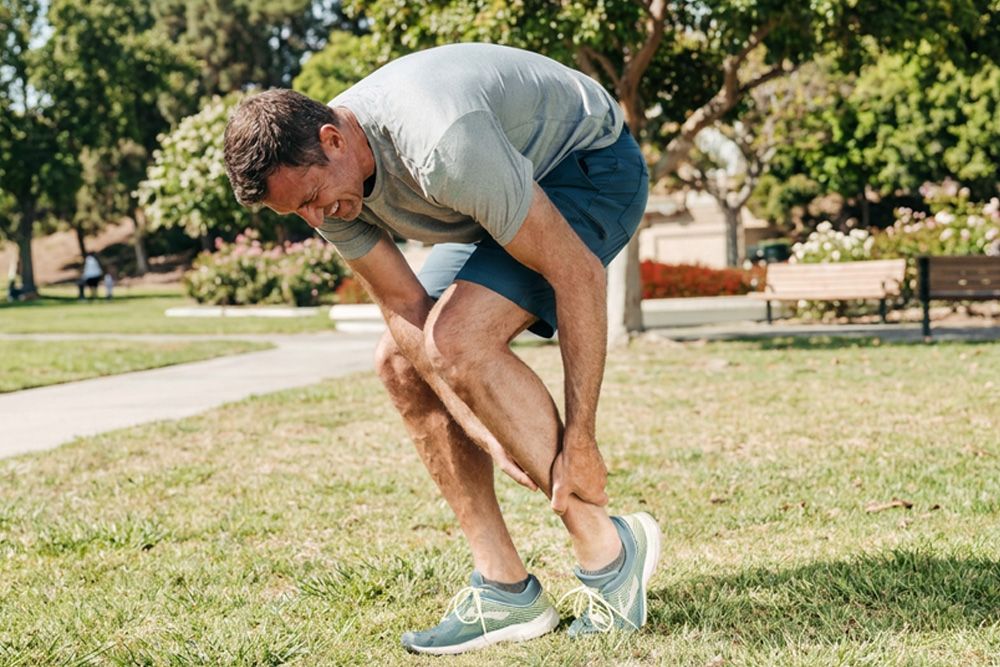
A tight calf muscle can cause significant discomfort and limit mobility. Self-treatment techniques offer an accessible way to address muscle knots at home using basic tools and proper methodology. Relief from calf tightness is achievable through targeted release strategies.
Key points
- Home treatment for calf knots requires specific tools and techniques. Proper equipment and correct application methods are essential for effective self-care and preventing further injury.
- Identifying the exact location of muscle knots is the first step. Pinpointing tight areas allows for more targeted treatment and ensures efforts focus on problem zones.
- Foam rolling provides an effective method for releasing calf tension. This technique applies sustained pressure to tight muscles, helping restore normal tissue function and mobility.
- Massage tools designed for muscle knot release offer concentrated pressure application. Specialized devices allow users to apply targeted force to specific problem areas more effectively than hands alone.
- Proper technique prevents injury during self-treatment sessions. Applying appropriate pressure levels and using correct form ensures therapeutic benefits while avoiding tissue damage or complications.
- Consistency with treatment routines improves long-term muscle health outcomes. Regular application of release techniques helps maintain flexibility and prevents knots from returning.
Summarized by MalakyeAI