


Why Free People prioritizes cultural co-authorship in celeb tie-ups
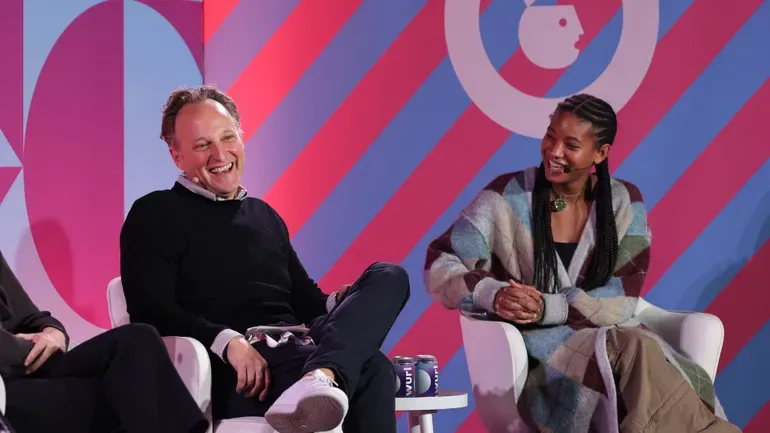
Free People moved beyond traditional celebrity endorsements by partnering with musician Willow on a fall campaign emphasizing genuine creative collaboration. Rather than a transactional deal, the Urban Outfitters-owned brand allowed Willow to co-author campaign elements including a live performance video and album release event. The partnership reflects a broader industry shift toward "cultural co-authorship" as brands seek authenticity with younger consumers.
Key points
- Free People rejected typical transactional celebrity partnerships with Willow. According to Samantha Tacón of United Talent Agency, "transactional deals that clutter a lot of the brand space weren't something that we were interested in."
- The brand ceded creative control to prioritize the artist's vision. CMO Jack Reynolds emphasized the importance of trusting Willow's team, stating "if you give rigid, you get rigid… at some point, you just have to trust it."
- Willow collaborated on unconventional campaign elements beyond traditional advertising. The partnership produced a live performance video with moss, vines, and natural elements, plus a record release party alongside standard seasonal campaign work.
- Cultural co-authorship allows both parties to leverage their core strengths. Free People managed fall clothing campaigns while Willow handled album rollout strategy, creating a natural alignment of expertise.
- The collaboration expanded Free People's reach to underserved audiences. Willow's fanbase includes Black women who may not have traditionally engaged with the bohemian brand, broadening the company's market presence.
- Artists prioritize respect and support over financial transactions alone. Willow noted that "I'm not a product. I'm a human being, and I should be treated as such," emphasizing the importance of genuine partnership ethos.
Summarized by MalakyeAI