


How to Ship a Car to Another State: A Complete Guide
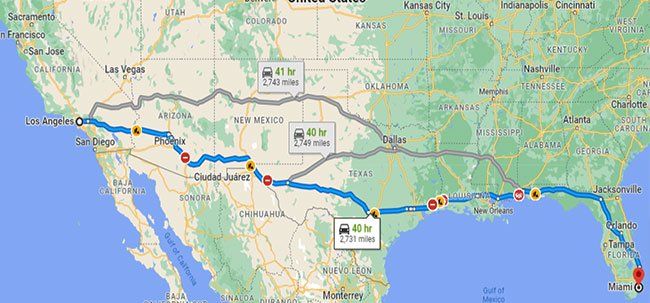
Shipping a car to another state involves choosing between open or enclosed transport, selecting door-to-door or terminal delivery, and vetting carriers carefully. The process relies on a load board system where brokers or direct carriers coordinate pickup and delivery. Understanding the Bill of Lading, insurance coverage, and proper vehicle preparation prevents costly complications.
Key points
- The auto transport industry uses a load board system for shipment coordination. Brokers access wider carrier networks for flexibility, while direct carriers offer single-point accountability; both require verification of the assigned carrier's DOT and MC numbers at fmcsa.dot.gov.
- Open transport trailers are the most affordable and common shipping method. These exposed carriers work well for standard vehicles when cost is the priority and the car has no significant cosmetic or collector value.
- Enclosed transport protects vehicles from weather and road debris at higher cost. "Enclosed typically runs 40 to 60 percent more than open for the same route," and suits classic, luxury, or recently restored vehicles.
- Door-to-door service typically offers better overall value than terminal-to-terminal shipping. Although terminal delivery costs slightly less upfront, door-to-door eliminates time and expenses associated with accessing terminals.
- The Bill of Lading is the critical condition report that protects your vehicle during transport. Documenting the car's state with time-stamped photos before signing at pickup and delivery ensures carrier accountability for any damage.
- Pre-transport preparation includes fuel reduction, alarm system disclosure, fluid leak inspection, and mileage documentation. Removing personal items, disabling accessories affecting dimensions, and ensuring the battery is charged prevents delays and protects coverage.
Summarized by MalakyeAI