


The Operating Engineer’s Guide to Heavy Equipment Transport
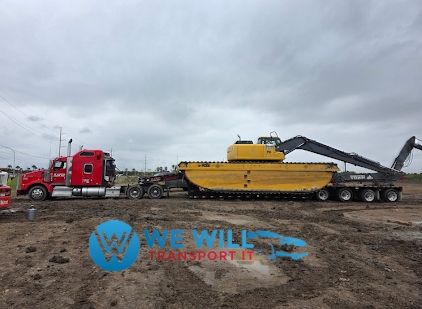
Operating engineers and contractors moving heavy equipment to job sites must secure proper documentation and comply with state regulations before transport begins. Failure to obtain permits, verify carrier credentials, or account for travel restrictions can result in project delays, fines, and impounded equipment. This guide outlines critical steps from equipment measurement through final delivery.
Key points
- Accurate equipment dimensions and weight documentation drive all downstream decisions. Specifications including length with attachments, width, height, and gross machine weight determine trailer type, permit requirements, and routing before transport begins.
- Oversize permits are mandatory for loads exceeding 8.5 feet wide on public highways. State regulations vary, and a three-state move requires three separate permit applications submitted at least two days in advance.
- Overweight permits apply when loads exceed state axle limits, typically capped at 80,000 lbs GVW. Superloads exceeding 181,000 lbs require separate applications to each state or province the equipment traverses.
- Escort and pilot vehicle requirements vary significantly by state and load width. Arizona mandates escorts for loads wider than 12 feet, while Florida requires them only above 14 feet; pilot cars warn traffic and clear paths under low bridges.
- Travel restrictions differ across states, including time-of-day limits and holiday blackouts. Ohio permits oversize transport anytime with proper permits, while Michigan restricts moves to daylight hours and New York City enforces an 8-foot width limit during peak traffic.
- Vetting carriers requires verifying DOT credentials, safety ratings, insurance coverage, and permit-handling responsibility. Contractors should confirm whether vendors are brokers or direct carriers and request references for similar equipment moves to avoid "compliance" issues invisible in price quotes alone.
Summarized by MalakyeAI