


What DIY Car Transport Really Costs You
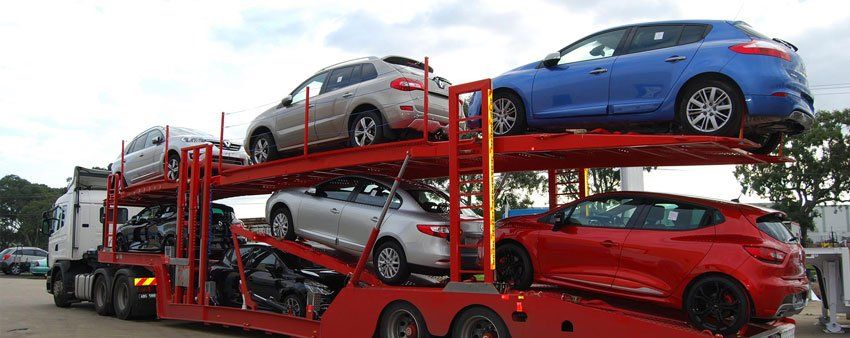
DIY car transport appears cheaper than professional shipping until hidden expenses are calculated. A cross-country drive incurs fuel costs, hotel stays, meals, and accelerated vehicle wear that often exceed quoted shipping rates. Professional carriers spread fuel costs across multiple vehicles, making per-car expenses significantly lower than solo driving.
Key points
- Fuel costs for a 2,000-mile trip range from $250 to $400 nationally. In high-cost states like California, where gas averages $5.40 per gallon, fuel expenses can exceed $350 on the same route, with drivers paying the highest prices along their entire route.
- Vehicle wear accelerates dramatically during long highway drives. Oil changes, tire degradation, and brake and suspension stress occur sooner than scheduled maintenance plans anticipate, adding unexpected repair costs months after the trip.
- Drowsy driving poses a significant safety risk during cross-country hauls. The National Highway Traffic Safety Administration identifies fatigue-related accidents as a recurring problem, whereas professional drivers manage hours and routes safely as their regular job.
- Electric vehicles face unique challenges on extended trips. Air conditioning reduces EV range by 15 to 20 percent, and sparse charger availability in rural areas turns estimated two-day drives into three or four days with frequent charging stops lasting 30 minutes or longer.
- Relocation packages often contain ambiguous car transport language. Employees should clarify whether vehicle shipping is covered separately, ask for specific dollar amounts rather than vague allowances, and confirm coverage for multiple vehicles before accepting job offers.
- Professional transport eliminates personal time loss and stress. Two to three days of driving represents lost work and family time, while hiring carriers provides "peace of mind" and removes the worry about breakdowns or accidents occurring during the journey.
Summarized by MalakyeAI