


Forests are having a hard time recovering as the West sees more fast-moving wildfires, according to a new study
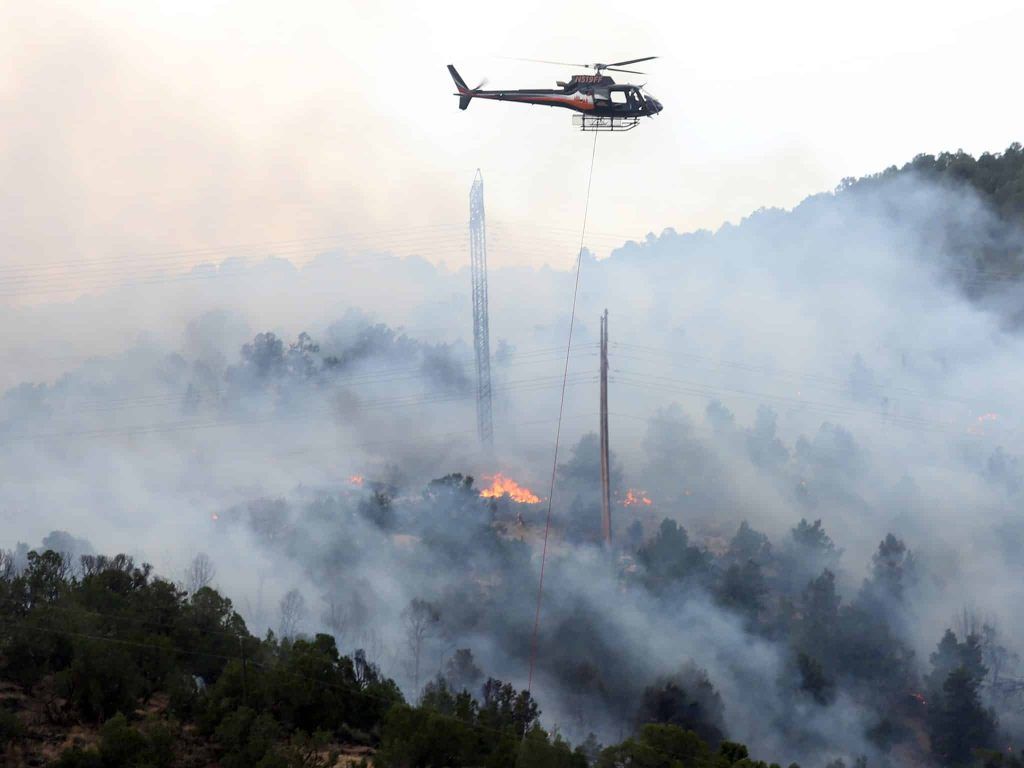
A new study from Western Colorado University found that rapidly spreading wildfires are severely hampering forest recovery across the West. Researchers analyzed 3,500 fires that burned over 100 million acres in western North America between 2012 and 2023, discovering that faster-moving fires cause greater landscape damage. The findings suggest that climate change is intensifying fire behavior and making it increasingly difficult for forests to regenerate.
Key points
- Fast-moving fires cause more severe damage to western forests. The study found that "the faster a fire grows across the landscape, the more impact it has to those landscapes," according to Jonathan Coop, the lead researcher.
- Extreme fires kill trees across larger areas, preventing natural reseeding. As fire spread rates increased, the distance to surviving trees capable of reseeding burned areas also grew substantially, limiting forest recovery potential.
- Forests may transition to shrublands instead of regenerating. In some cases, severe fires leave landscapes so depleted that forests cannot recover and may shift permanently to oak shrub or cheatgrass-dominated ecosystems better suited to warmer conditions.
- Climate change is making wildfires more frequent and intense. Warmer, drier conditions caused by fossil fuel emissions are creating increasingly favorable conditions for fast-moving, destructive fires across western regions.
- Forest management practices can mitigate fire damage. The study recommends fuels reduction, mechanical thinning, and increased prescribed fire use to prevent high-severity wildfires and protect forest ecosystems.
- Multiple climate-related stressors are compounding forest health problems. Beyond wildfires, drought and beetle infestations are killing trees across western Colorado, with all issues linked to climate change impacts.
Summarized by MalakyeAI