


No Pog, no probs: Did Pogačar’s absence make the Worlds better?
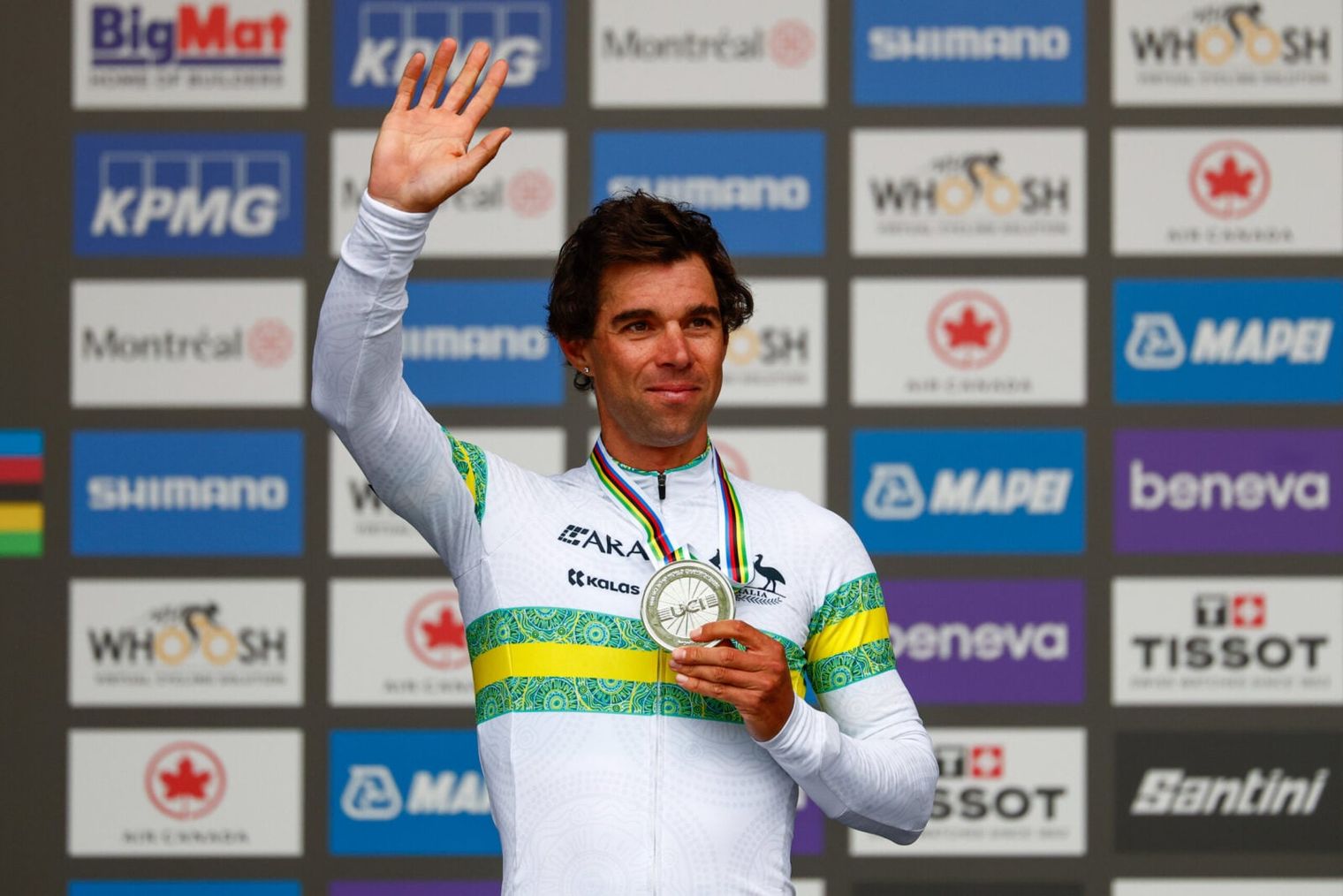
Brandon McNulty won the elite men's road world championship in Montréal, delivering what many observers considered the best worlds racing in over a decade. The victory sparked debate about whether the absence of two-way radios or the missing Tadej Pogačar had greater impact on the unpredictable race outcome. Michael Matthews claimed silver, rebounding from career-threatening injuries to finish second.
Key points
- McNulty's triumph ended a 27-year American drought at worlds. The U.S. rider's victory marked the first American win since Lance Armstrong, who noted the exciting racing but attributed it to multiple factors beyond radio absence.
- Race radios have been banned at worlds since 2011. The UCI implemented the ban to promote "more rider-led, more spontaneous, and therefore less predictable" racing, though the safety and communication benefits remain contested.
- Pogačar's absence may explain the unpredictable racing more than radio bans. The Slovenian rider's dominance in one-day races over recent seasons fundamentally altered race dynamics wherever he competed, potentially suppressing competition.
- Team USA employed an unconventional three-leader strategy. Larry Warbasse said the team backed themselves as equal favorites with Matteo Jorgensen, Quinn Simmons, and McNulty, allowing the race itself to determine the ultimate leader.
- Radio dependence may paradoxically reduce tactical spontaneity. Warbasse explained that sports directors now provide constant information overload to riders, with "constant talking, constant talking, constant talking," sometimes overwhelming athletes trying to maintain steady effort.
- Matthews rebounded from career-threatening setbacks to earn silver. The 36-year-old Australian finished second despite suffering a pulmonary embolism last year and breaking both arms earlier this season, calling his result "almost in disbelief."
Summarized by MalakyeAI